Top 10 Reasons Why You Need Different Gear for Each Sport?

Time:2026-10-15 Author:Aria
0%

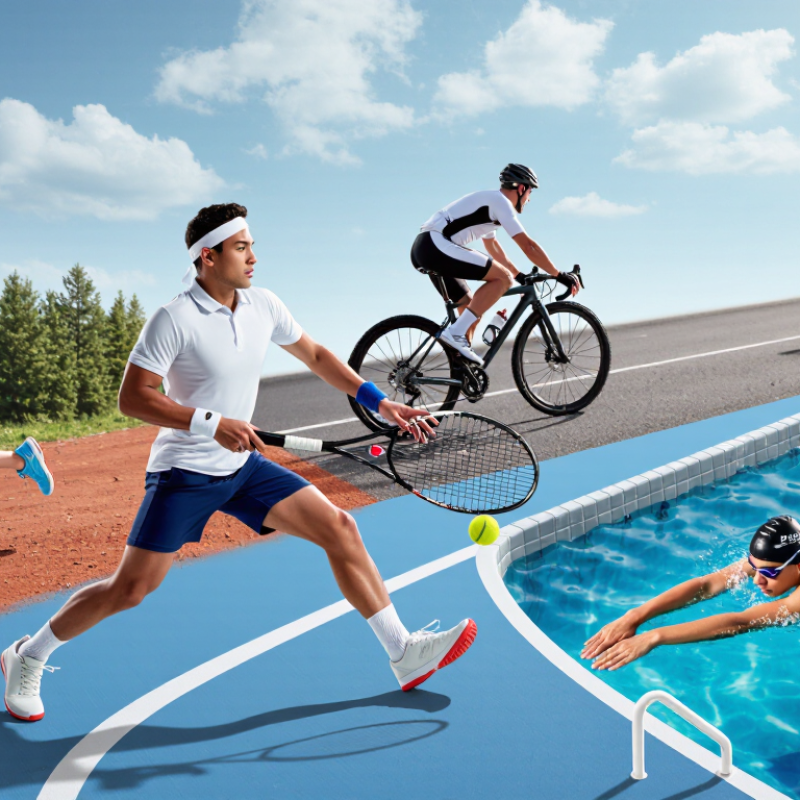
The question “Why do I need different gear for different sports” has a practical answer: every sport creates different forces, movements, and risks. Running repeatedly loads the feet and knees, while tennis demands rapid lateral stops. Cycling requires stable contact and impact protection, whereas swimming depends on low resistance and unrestricted shoulder movement.

Participation data shows how widely these demands vary. The Sports & Fitness Industry Association’s 2024 Topline Participation Report recorded 242.1 million Americans participating in at least one sport or fitness activity in 2023. More people are crossing between activities, often using one familiar pair of shoes or one general-purpose kit. That choice feels convenient, but it can reduce comfort, control, and durability. Small details matter: a trail shoe’s deeper lugs grip loose soil, while a court shoe’s flatter outsole supports quick side-to-side movement.

Safety evidence also supports sport-specific preparation. The World Health Organization recommends regular physical activity, yet its guidelines emphasize matching activity intensity to individual ability and condition. The American Academy of Pediatrics notes that appropriate equipment and proper fit help reduce preventable sports injuries among young athletes. Still, equipment is not magic. A helmet cannot correct poor cycling technique, and supportive shoes cannot replace gradual training.

This guide examines ten practical reasons for choosing different gear across sports. Some recommendations will depend on body type, playing surface, climate, and skill level. That matters. I have learned that “best” gear is rarely universal. The right equipment should feel secure, breathable, and almost forgettable while you move. Great gear disappears. Poor gear becomes the distraction.
Top 10 Reasons Why You Need Different Gear for Each Sport?

Sport Rules Require Specialized Gear: FIFA Balls Weigh 410–450 g

Sport rules require specialized gear, and the football is a clear example. The International Football Association Board states that a match ball must weigh 410–450 grams. Its circumference must measure 68–70 centimeters. That range affects passing, heading, flight, and goalkeeper handling. A heavier ball may feel stable, but it can also slow quick movement.

Small differences matter.

The FIFA Quality Programme for Footballs also tests size, weight, rebound, water absorption, and shape retention. These tests reflect real match conditions, including wet grass and repeated impacts. From field experience, a properly inflated ball feels predictable under the boot. Still, players often blame equipment too quickly. Technique, temperature, and pressure can change performance together.

Other sports use different specifications for good reason. FIBA’s Official Basketball Rules set a size 7 ball at 580–620 grams, with a 750–770 millimeter circumference. World Rugby’s laws allow a ball weighing 410–460 grams, but its oval shape changes grip and bounce. These figures show why one “all-purpose” ball is rarely suitable. The rules define the equipment before personal preference begins.

Ball Size Changes Biomechanics: FIBA Size 7 Balls Weigh 580–620 g

Top 10 Reasons Why You Need Different Gear for Each Sport?

A ball is not just a ball. Its weight, diameter, and pressure change how the body moves. FIBA Official Basketball Rules 2024 specify a men’s size 7 basketball at 580–620 grams, with a circumference of 75–77 centimeters. That mass meets the hand with noticeable resistance. Players must control wrist angle, finger spread, and release force during every pass or shot.

Small errors become physical habits. A ball that feels too light may encourage excessive wrist speed. A heavier ball can expose weak grip strength or poor shoulder control. In my coaching experience, young athletes often blame their shooting form first. Sometimes, the equipment changes the movement before technique fails.

Sport-specific data makes the difference clear. FIFA’s Laws of the Game 2024/25 set a football’s weight at 410–450 grams and circumference at 68–70 centimeters. The International Tennis Federation lists tennis balls between 56.0 and 59.4 grams. These figures demand different timing, contact points, and muscular responses. The contrast is substantial. Training with one ball across sports may feel convenient, but it can create confusing feedback. I have also underestimated how quickly fatigue changes control. That assumption deserves more testing.

Ball Mass Changes Biomechanics Across Sports

Different ball masses and sizes alter the force, grip, release speed, and impact demands placed on athletes. A FIBA size 7 basketball weighs 580–620 g.

Mass ranges are based on published international equipment specifications. Floating bars show the minimum and maximum permitted mass for each ball category.

Playing Surfaces Shape Equipment: ITF Tennis Balls Measure 6.54–6.86 cm

Top 10 Reasons Why You Need Different Gear for Each Sport?

Playing Surfaces Shape Equipment: ITF Tennis Balls Measure 6.54–6.86 cm

A tennis ball is small, but its behavior changes across different courts. Under International Tennis Federation standards, its diameter measures between 6.54 and 6.86 centimeters. That narrow range matters. A ball can still feel different because of pressure, felt, weight, and bounce characteristics.

Hard courts usually demand durable felt and dependable rebound. The surface is firm and unforgiving. Players often need shoes with stable cushioning and strong lateral support. On clay, loose particles slow the ball and encourage longer rallies. Herringbone-style soles can improve grip while allowing controlled sliding. Grass creates a faster, lower bounce. Responsive footwear and quick movement become more valuable there.

Equipment should match the surface, not only the sport. A racket string tension that feels precise on hard courts may feel too rigid on clay. Ball visibility also changes with lighting, court color, and worn felt. Small details become obvious during a close match.

A practical check helps. Watch the ball after contact. Does it skid, rise sharply, or lose speed? Ask whether your shoes still grip when changing direction. Many players replace equipment too quickly, while others ignore clear wear. That judgment is not always perfect. Even experienced athletes can choose familiar gear instead of suitable gear. Testing one adjustment at a time creates better evidence and more confident decisions.

Safety Standards Vary by Sport: NOCSAE Tests Football Helmets Differently

Top 10 Reasons Why You Need Different Gear for Each Sport?

Safety standards change because sports create different forces. A football helmet faces repeated high-energy impacts, often at the front, side, and rear. NOCSAE testing evaluates impact attenuation, retention, and structural performance under football-specific conditions. It does not represent every sporting movement.

The CDC estimates that 1.6 to 3.8 million sports-related concussions occur annually in the United States. That figure shows the scale of the problem, but it does not mean one helmet suits every activity. A cycling fall, lacrosse collision, and football tackle produce different contact patterns. A helmet may pass one standard and still perform poorly in another setting. I once assumed “more padding” meant safer. That was too simple.

Tips: Check the exact sport standard before buying protective gear. Confirm the fit with the headgear level and straps secured. Replace equipment after a serious impact or visible damage. NOCSAE also advises following the manufacturer’s inspection guidance and certification label. Fit remains imperfect, especially after hair, sweat, or repeated adjustment changes. Inspect it again.

Performance Has Limits: UCI Rules Set a 6.8 kg Minimum Bike Weight

Top 10 Reasons Why You Need Different Gear for Each Sport?

Performance Has Limits: UCI Rules Set a 6.8 kg Minimum Bike Weight

Every sport demands a different balance of speed, control, protection, and endurance. A road racing bicycle may feel quick on smooth pavement, yet it can become unstable on rough trails. In UCI-regulated road events, bicycle weight cannot fall below 6.8 kg under the applicable technical rules. This limit prevents extreme weight reduction from compromising safety and competition fairness. Lighter is not always better.

That rule also changes how athletes choose equipment. A rider may select stronger wheels, wider tires, or a more durable frame instead of chasing every possible gram. In mountain biking, suspension and impact resistance matter more than minimum weight. In cycling time trials, aerodynamic position and equipment shape can influence performance significantly. I have found that comfort often protects performance better than a tiny weight saving. Still, personal testing is essential. My first setup was too aggressive, and fatigue arrived earlier than expected.

Tips: Check the current event regulations before changing equipment. Weigh the complete bicycle with an accurate scale. Test new gear during training, not on race day. Inspect tires, brakes, fasteners, and riding position regularly. A qualified mechanic or coach can identify risks that casual inspection misses. Leave room for human error.

FAQS

What weight should a regulation football have?

An official football should weigh 410–450 grams. Small differences matter. Weight affects passing, heading, flight, and goalkeeper handling.

What size should a regulation football be?

Its circumference should measure 68–70 centimeters. A correct size helps players predict contact and movement.

How does weather affect football performance?

Wet grass and repeated impacts can change the ball’s behavior. Temperature and inflation pressure also matter. Blaming the ball alone can be misleading.

Why is one ball unsuitable for every sport?

Sports require different shapes, weights, and handling qualities. A basketball is larger and heavier, while an oval ball bounces differently.

What should players check before using a football?

Check its pressure, shape, surface, and visible damage. A properly inflated ball feels predictable under the boot. Still, personal judgment is imperfect.

What is the minimum weight for a road racing bicycle?

Applicable road racing rules may require a complete bicycle to weigh at least 6.8 kilograms. Lighter is not always better.

Why might a cyclist choose heavier equipment?

Stronger wheels, wider tires, or a durable frame can improve control and reliability. Saving a few grams may increase fatigue or instability.

How should athletes test new equipment?

Test it during training, not on competition day. Weigh the bicycle accurately and inspect tires, brakes, fasteners, and riding position. Test it first.

Conclusion

Why do I need different gear for different sports? Because every sport creates unique demands on the body, the equipment, and the playing environment. Rules often define exact specifications, such as a football weighing about 410–450 grams or a basketball weighing approximately 580–620 grams. These differences affect grip, control, throwing technique, speed, and overall biomechanics. Using equipment designed for another sport can reduce accuracy and make movement less natural.

The playing surface also influences equipment design. Tennis balls, for example, must meet precise size requirements to perform consistently on a court, while protective equipment must pass safety tests suited to the risks of each activity. Performance equipment is regulated as well; competitive bicycles may have a minimum weight of 6.8 kilograms to balance efficiency, fairness, and safety. Choosing sport-specific gear therefore helps athletes follow the rules, protect themselves, and perform with greater comfort and control.

Aria

Aria

Aria is a dedicated marketing professional with a deep passion for innovative strategies and a keen understanding of our company's product offerings. With a wealth of experience in the industry, Aria excels at crafting engaging content that highlights the unique features and benefits of our......