Grip determines how confidently a player controls, catches, passes, or strikes a ball. Why is grip important in ball games? It connects human movement with equipment performance. A secure surface can reduce slipping during fast direction changes. It can also improve accuracy when hands are sweaty, cold, or tired.
For athletes, grip is not simply a rough texture. It depends on material, surface pattern, pressure, moisture, and ball inflation. A basketball with deep channels may feel stable during a powerful dribble. A football with molded panels can support cleaner handling during wet training. In practice, small details matter. Players notice uneven texture, weak seams, and uncomfortable surfaces within minutes.
China’s top manufacturers increasingly focus on these functional details. Experienced factories may combine rubber compounds, synthetic leather, microfiber, or textured coatings. Reliable producers also inspect roundness, rebound, abrasion resistance, and bonding strength. These checks help buyers compare products beyond attractive samples. However, manufacturing claims should not be accepted without evidence. Independent testing, production records, and consistent batch performance remain important.
Grip can feel different across users. A professional athlete may prefer a firm, responsive surface. A beginner may need softer contact and easier control. That assumption can fail. Climate also changes performance, especially in humid gyms or outdoor fields. Buyers should request samples and test them under realistic conditions. Hand size, playing style, and maintenance habits deserve attention too.
The strongest product is not always the most aggressive. Excessive tackiness may slow release or collect dust. Better design balances control, comfort, durability, and safety. This article examines how grip affects ball games and how China’s leading manufacturers develop, test, and improve these essential surfaces. Some choices remain subjective. Careful evaluation still beats confident guessing.
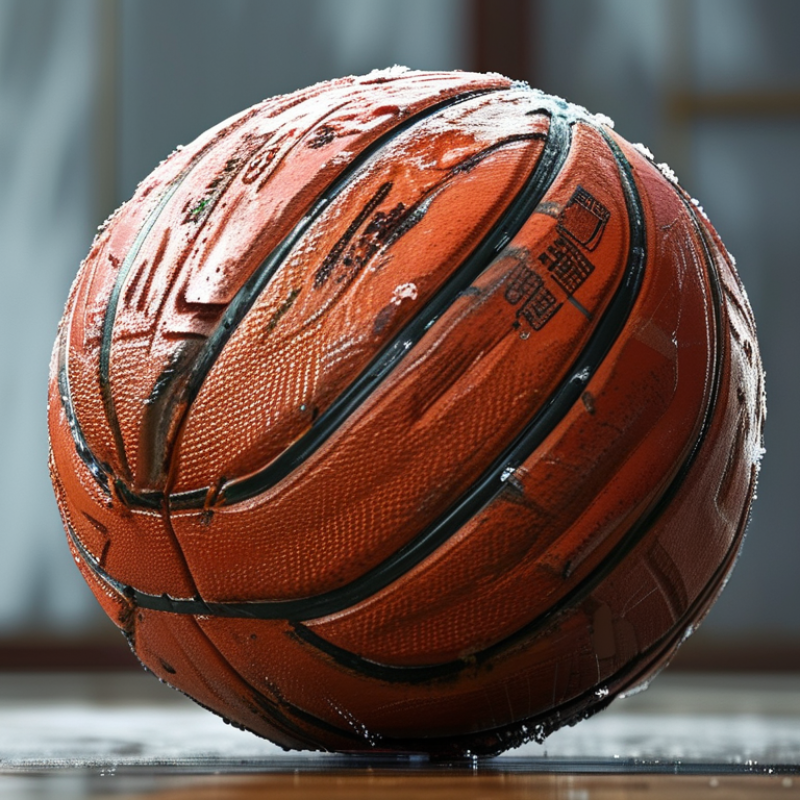
Grip is the frictional connection between a player’s hand and a ball or playing surface. It helps prevent slipping during catching, passing, throwing, and shooting. Texture, moisture, pressure, and material hardness all change this connection. A rough surface may improve control, but excessive roughness can reduce comfort and consistency.
Ball specifications show why grip matters. The International Basketball Federation’s 2024 rules set a size-seven basketball at 580–620 grams and 75–77 centimeters in circumference. Players must control substantial mass with one hand. In volleyball, official regulations set the ball pressure at 0.30–0.325 kilograms per square centimeter. This pressure affects rebound, softness, and hand response. Small surface changes can feel significant.
For Chinese manufacturers, grip testing should include dry and sweaty conditions. The International Tennis Federation’s technical requirements also measure ball performance through weight, bounce, and deformation, showing that control depends on more than surface texture. A practical test could record slip distance under fixed hand pressure. Results should be repeated across temperatures and humidity levels. One test is never enough. Human hand size and technique create variation, so laboratory data needs court-based experience. That limitation deserves attention.
Why Is Grip Important in Ball Games China Top Manufacturers?
Grip is the quiet link between a player and the ball. It affects control, accuracy, and performance during fast movement. A tacky surface can reduce slipping when hands are sweaty. This helps a player release the ball at a more repeatable angle. In basketball, FIBA’s 2024 rules specify a size 7 ball weighing 580–620 grams. That weight demands stable finger pressure, especially during long-range shots. Football has different needs. FIFA’s Laws of the Game require a circumference of 68–70 centimetres and a weight of 410–450 grams. Surface texture still changes how quickly the ball responds to the foot.
Manufacturers in China often test grip under dry, humid, and wet conditions. These tests matter because laboratory performance can look better than real training. FIFA’s Quality Programme for Footballs measures water absorption, pressure loss, rebound, and shape retention. A ball that absorbs excess water may become heavier and harder to control. That assumption can fail, though. More grip is not always better. Excessive tackiness may slow a clean release or feel uncomfortable after repeated contact. Material choice, panel seams, inflation, and hand size must work together.
Tips: Wipe sweat from your hands before testing a ball. Compare passing, shooting, and catching drills. Use the same inflation level each time. Check grip after ten minutes, not only at first touch. Record misses honestly. Small differences can reveal weak consistency.
Industry-neutral comparison of ball characteristics, grip factors, and their effects on player performance
| Ball Game | Regulation Weight / Size | Typical Surface | Primary Grip Requirement | Control and Accuracy Benefit | Performance Risk When Grip Is Poor | Useful Quality Check |
|---|---|---|---|---|---|---|
| Basketball | Size 7: 580–620 g; circumference 749–780 mm | Pebbled synthetic or leather cover | Consistent fingertip traction during dribbling, passing, and shooting | Improves ball retention, release consistency, spin control, and directional passing | Slips during changes of direction; inconsistent release angle; reduced shooting confidence | Check surface tack, pebble uniformity, seam smoothness, and wet-hand handling |
| Association Football | Size 5: 410–450 g; circumference 680–700 mm | Textured polyurethane or hybrid cover | Reliable foot-to-ball friction, especially in wet conditions | Supports controlled trapping, passing, dribbling, and predictable swerve from contact | Longer touch distance, inaccurate passes, and reduced control during wet-weather play | Assess panel texture, water uptake, shape retention, and rebound consistency |
| Volleyball | 260–280 g; circumference 650–670 mm | Soft synthetic leather with a flexible bladder | Balanced hand contact without excessive tackiness | Improves setting precision, serving control, platform stability, and touch consistency | Unstable sets, excessive spin, misdirected serves, and poorer defensive reception | Check cover softness, panel alignment, pressure stability, and hand comfort |
| Tennis | 56.0–59.4 g; diameter approximately 6.54–6.86 cm | Woven felt over a pressurized rubber core | Racket-string friction and a predictable felt response | Enhances spin generation, trajectory control, directional accuracy, and serve placement | Reduced spin, uncertain bounce, and loss of control on fast or angled shots | Inspect felt density, seam condition, compression, and bounce uniformity |
| Handball | Size 3: 425–475 g; circumference 58–60 cm | Textured synthetic cover | Secure one-hand handling during rapid movement and jumping | Supports faster passing, controlled one-hand catches, and more accurate shooting | Dropped passes, slower releases, and reduced shot placement under defensive pressure | Measure surface friction, seam height, roundness, and performance with perspiration |
| Rugby | 410–460 g; length 280–300 mm | Grained synthetic or rubberized cover | High wet-weather traction across the oval surface | Improves passing security, catching reliability, kicking consistency, and ball orientation | Knock-ons, inaccurate spiral passes, and reduced kicking control in rain | Test wet grip, oval symmetry, inflation retention, and panel bonding |
| Baseball / Softball | Baseball: approximately 142–149 g; circumference 229–235 mm | Leather or synthetic leather with raised seams | Finger traction on seams for throwing and spin creation | Enables repeatable release timing, pitch rotation, throwing accuracy, and catching security | Slower release adjustment, reduced spin control, and more fielding errors | Check seam height, cover consistency, roundness, hardness, and moisture response |
Why Is Grip Important in Ball Games China Top Manufacturers?
Key Materials and Designs Used in Ball Game Equipment
Grip starts with the contact surface. In ball game equipment, rubber, synthetic leather, and textured polymers create different handling responses. Natural rubber offers strong friction, but heat and moisture may reduce its stability. Synthetic compounds usually provide more consistent performance during repeated training sessions. They also allow manufacturers to tune softness, rebound, and surface wear.
For Chinese manufacturers, material selection must match the sport and playing environment. A racket handle may use perforated polyurethane for airflow and moisture control. A basketball cover often combines molded channels with a pebbled texture. These details help players keep control during fast movement. Layered construction can also reduce vibration, especially when a rigid core meets a flexible outer shell. Small design choices matter.
Quality testing should include wet-hand trials, abrasion checks, compression tests, and temperature exposure. Production teams need to inspect seams, bonding areas, and grip thickness by batch. In practical evaluations, a surface that feels excellent indoors may become slippery outdoors. That weakness deserves attention. No material is perfect, and softer compounds can wear faster than expected. Manufacturers should balance comfort, durability, cleaning needs, and safe hand contact rather than chase maximum tackiness. A grip that feels too sticky may slow quick adjustments. That detail is easy to overlook.
Ball size, weight, and surface construction directly affect handling. Regulation specifications show why manufacturers use textured synthetic leather, rubber compounds, molded channels, seams, and pebbling to improve friction and control.
The chart compares official regulation ranges for four widely used ball types. Heavier balls require stronger surface friction and deeper tactile structure, while smaller or lighter balls benefit from soft covers, fine pebbling, and controlled seams for accurate handling.
Reference standards: FIFA Laws of the Game, FIBA Official Basketball Rules, FIVB Official Volleyball Rules, and IHF Indoor Handball Rules.
China’s leading manufacturers of high-grip ball equipment focus on control, comfort, and repeatable performance. A textured surface helps players maintain direction during quick passes, serves, and catches. It also reduces unnecessary hand tension, especially during long training sessions. According to the SFIA 2024 Topline Participation Report, 242.6 million Americans joined at least one sport or fitness activity in 2023. That 2.2% annual increase shows growing demand for dependable equipment. However, grip is not simply “more texture.” Excessive roughness may irritate skin or change ball movement.
High-quality Chinese factories usually test rubber, synthetic leather, and polyurethane surfaces for abrasion, moisture response, and dimensional consistency. Grand View Research projects the global sporting goods market to grow at about 5.6% annually from 2024 to 2030. This growth raises quality expectations, not only production volume. During supplier evaluations, buyers should request third-party friction testing, batch records, and humidity-based performance data. A ball that feels excellent in a dry showroom may become slippery under sweat. This weakness is easy to overlook. It deserves honest testing.
Tips: Compare grip after repeated use, not only on day one. Check seam pressure with your fingertips. Ask for samples from different production batches. Confirm whether testing follows recognized standards, and record results before placing a large order.
Reliable grip begins with the right equipment, not stronger hands. The ITF Global Tennis Report 2024 counted about 106 million tennis players worldwide. That scale makes basic fit and maintenance important. A handle should sit securely without forcing the fingers tightly. Test it with a relaxed hand and several controlled swings. If the palm shifts, the grip may be too small, too smooth, or too wet.
Check the ball as well. FIFA Quality Programme testing includes water absorption and pressure-loss measurements, showing why moisture and inflation affect handling. Choose balls suited to the court surface and playing conditions. Clean racket handles, paddle surfaces, and gloves with mild soap when permitted. Dry them completely. Never store damp equipment inside a closed sports bag. Small details matter.
Replace an overgrip when it feels polished, compressed, or slippery. Inspect seams, edges, and worn texture before every session. Keep equipment away from direct heat, which can harden materials and change surface feel. SFIA’s 2024 Topline Participation Report recorded 13.6 million pickleball participants in the United States during 2023. Frequent play increases wear faster than many players expect. My own poor habit was waiting for visible damage. That was too late. A simple weekly check is better, although it cannot replace testing the equipment during real play.
Grip improves control during quick passes, serves, and catches. It can also reduce hand tension during long sessions.
No. Excessive roughness may irritate skin or alter ball movement. More texture is not automatically better.
Common materials include rubber, synthetic leather, and polyurethane. Tests should examine abrasion, moisture response, and size consistency.
Request samples from several production batches. Ask for friction results, humidity data, and documented quality records.
Sweat can make a surface slippery. A ball may feel excellent in a dry showroom but perform poorly during play.
Hold it with a relaxed hand and perform several controlled swings. The handle should stay secure without forcing the fingers tightly.
Clean permitted surfaces with mild soap, then dry them completely. Never leave damp equipment inside a closed sports bag.
Replace it when it feels polished, compressed, or slippery. Inspect seams and edges before every session.
Keep equipment away from direct heat. Heat can harden materials and change their surface feel.
A weekly check helps, but it cannot replace testing during real play. I once waited for visible damage. That was too late.
Why is grip important in ball games? Grip is the contact and friction between a player’s hands, footwear, or equipment and the ball or playing surface. It directly influences control, passing, shooting, serving, catching, and overall confidence. A reliable grip helps players handle the ball more consistently, improve accuracy, react faster, and maintain performance during intense movement or changing conditions.
High-grip ball equipment is commonly developed with materials such as textured rubber, synthetic leather, moisture-resistant coatings, durable composites, and carefully designed surface patterns. Leading manufacturers in China focus on combining secure handling, comfort, durability, and consistent production standards without relying on brand-specific features. When choosing equipment, users should consider the sport, hand size, surface texture, weather conditions, and frequency of use. Regular cleaning, proper drying, careful storage, and timely replacement of worn surfaces can help preserve dependable grip and extend equipment life.

Insider Sports