Why Comfort Matters in Sports Accessories 5 Best Reasons?

Time:2026-10-31 Author:Charlotte
0%

Why is comfort important in sports accessories? Because equipment touches the body through every sprint, lift, and turn. A tight strap can rub the shoulder. A slippery grip can interrupt a clean movement. Even small discomfort can distract an athlete from pacing, balance, or technique. Comfort is not a luxury. It is part of how gear performs.

Biomechanics researcher Dr. Benno Nigg’s footwear guidance is often summarized this way: “Choose what feels comfortable in motion.” This is a paraphrase, not a verbatim quotation. It points to a practical idea: fit and feel deserve attention alongside weight, durability, and design. The right choice can vary with the athlete, activity, and conditions. A wrist support that feels secure in training may feel restrictive during a longer session.

This guide explores five reasons comfort matters in sports accessories, from reducing rubbing and pressure to supporting focus and consistent movement. Think of the small details: a seam beneath a running sock, a damp glove, or a bag strap digging in after practice. These details are easy to dismiss. They can still shape the experience. Comfort does not guarantee better results, and personal preference can be imperfect. It is worth noticing what feels wrong, then adjusting thoughtfully.
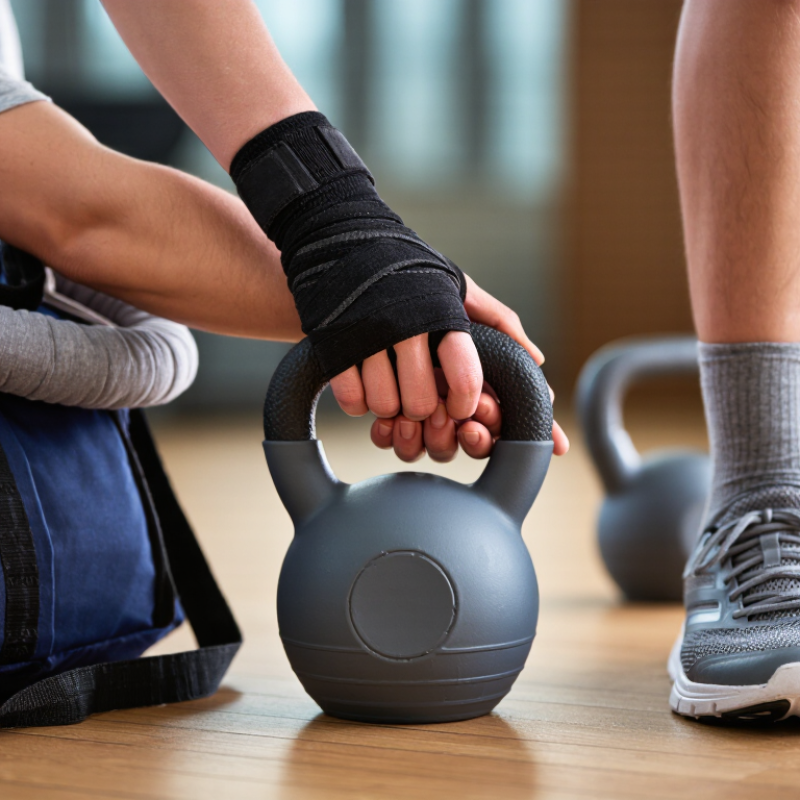
Why Comfort Matters in Sports Accessories 5 Best Reasons?

How Comfortable Sports Accessories Support Natural Movement

Comfortable sports accessories support natural movement by staying secure without forcing the body into a different pattern. A cap that shifts during a run can distract; a tight strap may rub near the shoulder. Small interruptions matter. When choosing gear, check whether it stays in place through a squat, reach, or short jog—not just while standing still.

Fit should allow movement, not merely look streamlined. A waistband should sit flat as you bend, while socks should leave toes room to spread. Seams and closures deserve attention, too. A size chart can still miss; bodies and preferred fits vary. Comfort is not a magic fix, but it can remove avoidable friction from exercise.

The World Health Organization’s 2022 Global Status Report on Physical Activity estimated that 27.5% of adults worldwide were insufficiently active in 2016. That figure does not show that discomfort causes inactivity. It does underline the value of making activity easier to keep up. The WHO’s 2020 guidelines recommend 150–300 minutes of moderate-intensity aerobic activity each week for adults. Accessories cannot guarantee those minutes, but gear that permits easy breathing, full arm swing, and an unforced stride can help movement feel less restricted. A useful test: wear it through a few ordinary motions before relying on it for a longer session.

Why Comfort Matters in Sports Accessories: 5 Best Reasons — How Comfortable Sports Accessories Support Natural Movement

Reason Accessory Examples How Comfort Supports Natural Movement Useful Design Features Practical Fit Check
1. Less rubbing and irritation Socks, gloves, sports bras, waist belts Smooth contact surfaces and a secure fit can reduce distracting rubbing as the body moves repeatedly. Flat seams, soft linings, well-finished edges, and materials that sit smoothly against the skin Move through the activity’s usual range of motion and check for pinching, chafing, or shifting.
2. Unrestricted range of motion Knee sleeves, elbow supports, training gloves, breathable clothing accessories Flexible materials and appropriately placed support allow joints to bend and limbs to move without unnecessary resistance. Stretch panels, articulated construction, flexible closures, and sizing suited to the wearer Try the movements used in the sport, such as squatting, reaching, gripping, or raising the arms.
3. A more secure, stable fit Shoe laces, wrist wraps, headbands, protective pads Accessories that stay in place need fewer mid-activity adjustments, helping movement remain consistent. Adjustable closures, secure but non-restrictive bands, and shapes that match the intended use Check that the item does not slide during movement and does not create numbness or pressure points.
4. Better moisture and heat management Performance socks, caps, sweatbands, glove liners Breathable, moisture-managing materials can help reduce a damp or overheated feeling that may distract during exercise. Ventilated zones, lightweight fabrics, and materials designed to move moisture away from the skin Use the accessory during a typical workout and assess whether it feels comfortable as activity continues.
5. More consistent focus and technique Protective eyewear, mouthguards, supportive straps, well-fitted footwear accessories When an accessory feels comfortable and functions as intended, it is less likely to distract from attention to movement and technique. Clear visibility, comfortable contact points, secure positioning, and an appropriate fit for the activity Confirm that the accessory stays positioned, does not obstruct movement, and meets the activity’s safety needs.

Comfort depends on personal fit, activity, and conditions. Choose accessories that feel secure without causing excessive pressure, and follow the product’s care and safety instructions.

Why Reduced Discomfort Helps Athletes Stay Focused

Why Reduced Discomfort Helps Athletes Stay Focused

A slipping wrist wrap, a pinching seam, or a shoe rubbing at the heel can keep pulling attention away from play. These irritations may seem minor, but athletes notice them repeatedly during movement. Comfort does not guarantee better performance. It can, however, remove one avoidable distraction.

That matters.

The University of Portsmouth’s breast-health research has reported that 72% of women experience breast pain during exercise. Its biomechanics research has also found that supportive sports bras can reduce breast movement substantially compared with no support. These findings highlight how well-fitted accessories can address a physical distraction, though they do not prove that every athlete will feel more focused.

Fit and activity matter. A runner needs secure laces and smooth seams; a lifter may need a stable grip that does not bunch in the palm. Small details.

Comfort is not a luxury, but it is not a cure-all either. Heat, fatigue, and nerves can still disrupt concentration. I also think athletes sometimes accept irritating gear as normal, then adjust it between drills without noticing how often. Checking pressure points before training can help: walk, jog, grip, and move through the sport’s usual motions. If an accessory shifts or rubs, the fit deserves another look.

How Proper Fit Can Prevent Chafing and Pressure

A sports accessory should stay in place without digging into your skin. That sounds obvious, yet many people choose a tighter fit because it feels more secure in the shop. I used to do that with running socks. After a few miles, the seams pressed against my toes, and a hot spot began to form. Fit is not tightness.

Chafing often starts where material repeatedly rubs damp skin: under a waistband, along a sock seam, or beneath a pack strap. Pressure can build in the same spots when a glove, brace, or strap is too small or unevenly adjusted. Before a workout, move naturally in the accessory. Bend your knees, swing your arms, or take a brisk walk. Check whether it shifts, pinches, or leaves deep marks. Small details matter.

Materials and sizing can behave differently once sweat and movement enter the picture. A waistband that feels comfortable while standing may roll during a run. Adjust straps evenly, and choose seams that sit away from high-friction areas when possible. If discomfort appears, pause and reposition the item rather than pushing through it. I still sometimes misjudge a fit on the first try; body shape and activity both matter. Persistent pain or skin irritation deserves attention, not just another tighter adjustment.

Why Comfort Supports Longer, More Consistent Activity

Comfort is not just a pleasant extra in sports accessories. It can affect how long people choose to stay active. A strap that rubs, a grip that slips, or fabric that traps heat can turn a relaxed walk into a reason to stop early. Small details matter. When an accessory sits securely and feels gentle against the skin, attention can stay on the activity instead of constant adjustments.

Comfort also supports consistency by making it easier to repeat an activity across ordinary days. A lightweight waist belt that does not bounce, for example, may feel more practical on a short evening jog than bulky gear. Fit and material still depend on the person, the weather, and the movement involved. What feels fine in a shop may irritate after twenty minutes outdoors; I have learned that the hard way. It helps to test accessories during a short session before relying on them for longer use. Comfort cannot guarantee motivation, and some discomfort may signal a poor fit. But removing avoidable rubbing, pressure, and distraction can make regular activity feel more manageable.

How Comfortable Gear Encourages Regular Sports Participation

A comfortable sports accessory can remove small frictions that make exercise easier to postpone. A strap that rubs, a bottle that leaks, or gloves that trap sweat can distract from movement. These annoyances may seem minor, but repeated discomfort can make a weekly routine feel like a chore. Fit matters.

The World Health Organization’s 2022 Global Status Report on Physical Activity estimated that 27.5% of adults worldwide were not meeting recommended activity levels in 2016. That figure does not show that uncomfortable gear causes inactivity. It does highlight the value of making movement more approachable. Lightweight, breathable clothing and securely fitted accessories can help people focus on walking, cycling, or practice rather than constant adjustments. Small changes count.

Comfort also supports confidence, especially for beginners returning after a long break. A cushioned grip can reduce pressure during a long ride; a well-fitted support can feel less distracting during drills. Still, comfort is personal, and extra padding or tight compression is not automatically better. Try gear during short sessions first. Notice hot spots, slipping, and restricted movement. If discomfort persists, reassess the fit instead of assuming you need more willpower. A regular routine is built through repeated, manageable sessions—and gear that feels right can make showing up a little easier.

Why Comfort Matters in Sports Accessories: 5 Best Reasons

Comfortable gear can reduce distractions such as rubbing, poor fit, and restricted movement—making it easier to keep up a regular activity routine.

Why it matters: A comfortable fit, less chafing, easier movement, suitable temperature control, and fewer gear-related distractions can make participation feel more manageable. These are practical benefits, not a measured guarantee of increased activity.

The chart shows WHO recommendations for adults aged 18–64: at least 150 minutes of moderate-intensity aerobic activity per week, or at least 75 minutes of vigorous-intensity activity. These are alternative intensity-based targets, not directly equivalent measurements. Source: WHO Guidelines on Physical Activity and Sedentary Behaviour (2020).

FAQS

How can comfortable gear help athletes stay focused?

A smooth seam or secure wrist wrap can prevent repeated adjustments during movement. It removes one distraction, not every one.

Does comfortable gear guarantee better performance?

No. Heat, fatigue, and nerves can still interrupt concentration. Comfort helps, but it is not magic.

Why does a good fit matter during exercise?

Loose laces, slipping straps, or gloves bunching in the palm can pull attention away from movement. Small details matter.

Can supportive sports bras reduce discomfort during exercise?

Research cited in the article reports that 72% of women experience breast pain during exercise. Support can reduce breast movement, but results depend on fit and activity.

Does uncomfortable gear cause people to skip exercise?

The article does not establish that link. Repeated annoyances, like a leaking bottle or rubbing strap, can still make a routine feel harder.

How can I check whether gear fits before training?

Walk, jog, grip, and try your usual movements. Notice slipping, rubbing, or pressure points. Be honest about them.

Is tighter or more padded gear always better?

No. Extra padding or compression can restrict movement or feel distracting. Try it during a short session first.

When should I reassess an accessory?

If it shifts, rubs, or leaves a hot spot, check the fit. I sometimes ignore these signs, then adjust the gear between drills.

Conclusion

Comfortable sports accessories help athletes move naturally by allowing the body to bend, stretch, and respond without unnecessary restriction. A proper fit can also reduce rubbing, pressure, and other sources of irritation, making activity feel easier and more enjoyable. Why is comfort important in sports accessories? When gear feels good, athletes are less likely to be distracted by discomfort and can focus more fully on their technique, pace, and surroundings.

Comfort can also make it easier to stay active for longer and maintain a consistent routine. Accessories that fit well and feel pleasant during use are more likely to be worn regularly, supporting participation across different activities and fitness levels. By combining freedom of movement, a secure fit, and reduced irritation, comfortable gear can help make sports feel more accessible and sustainable over time.

Charlotte

Charlotte

Charlotte is a seasoned marketing professional with a deep understanding of the company's portfolio and a passion for elevating its presence in the market. With a keen eye for detail and a commitment to excellence, she ensures that our professional blog is regularly updated with insightful articles......