Buying sports gear should support your goals, not quietly drain your budget or limit your performance. A runner needs more than attractive shoes, just as a beginner cyclist needs more than a lightweight helmet. Fit, durability, safety, and intended use matter together. The right gear should feel dependable during sweaty training sessions, uneven trails, or repeated weekend matches.
Many shoppers focus on discounts, brand names, or impressive technical labels. That approach can lead to uncomfortable footwear, fragile materials, or equipment that does not match personal skill levels. What mistakes should I avoid when buying sports gear is a practical question for every athlete, whether experienced or new. Checking sizing charts, testing movement, reading verified reviews, and understanding return policies can prevent expensive disappointment. Expert guidance from qualified coaches, specialist retailers, and reputable manufacturers adds useful perspective.
Small details often reveal bigger problems. A shoe may feel comfortable for five minutes but rub after an hour. A racket may look powerful but strain the wrist. A jacket may claim breathability while trapping heat on a steep climb. These moments require honest evaluation. I have sometimes chosen features over comfort, and the purchase seemed clever until training exposed the weakness. That experience is worth remembering. Good sports gear is not always the newest or most expensive option. It is the equipment that fits your body, activity, environment, and realistic routine. Mistakes still happen. Careful decisions make them less costly.
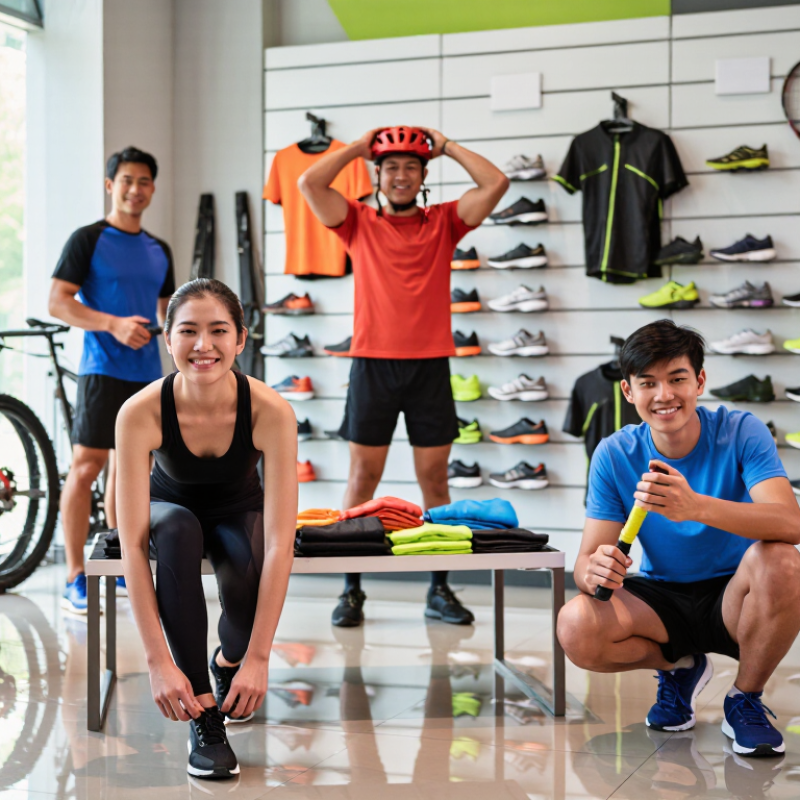
Before buying sports gear, define the activity precisely. “Running” could mean road miles, trail races, or short treadmill sessions. Each requires different traction, cushioning, and weather protection. The 2024 SFIA Topline Participation Report recorded 242.1 million Americans participating in at least one sport or fitness activity in 2023. That variety makes generic shopping risky. Write down your sport, training frequency, location, and current skill level. Then separate essential equipment from attractive extras.
Set a measurable goal before comparing products. Your aim might be completing a five-kilometer race, improving balance, or training twice weekly. Goals expose unnecessary purchases. The Outdoor Foundation’s 2024 Outdoor Participation Trends Report found that 175.8 million Americans took part in outdoor recreation during 2023. Conditions matter. A cyclist facing wet roads needs visibility and weather protection, while an indoor lifter may prioritize stable footwear and adjustable resistance. I once overestimated my commitment and bought advanced equipment too early. It gathered dust. That mistake still influences my buying decisions.
Tip: Test the basics first. Borrow, rent, or use entry-level gear for two weeks when possible. Check fit after movement, not while standing still. Look for pressure points, slipping, restricted breathing, or overheating. A useful checklist includes safety, fit, durability, maintenance, and return terms. Do not confuse higher price with better performance. Reviews from qualified coaches, physical therapists, or governing bodies can reveal details that advertisements omit. Reconsider the purchase if the gear does not support your sport, goal, or actual training environment.
Before buying equipment, identify the sport, your performance goal, and the minimum gear needed for safe participation. This comparison shows the typical number of essential gear categories for several popular sports.
Gear-category counts are based on common participation and safety requirements, including primary equipment, protective equipment, visibility, hydration, and basic maintenance needs. Higher counts indicate more gear categories to evaluate before purchasing.
7 Best Sports Gear Buying Tips: What Mistakes to Avoid?
Fit should come before appearance. Try the gear with the clothing you normally wear during training. A helmet should sit level, while footwear should hold your heel without crushing your toes. Move, bend, and jump before buying. If pressure appears in five minutes, it may become painful after an hour. I once chose a tighter pair for better control, but numb toes ruined the session.
Tip: Check fit after movement, not only while standing still.
Comfort affects concentration and endurance. Look for breathable materials, smooth seams, adjustable straps, and manageable weight. Test gloves by gripping a handle, or test protective pads while copying your sport’s movements. Do not trust soft padding alone. It can feel pleasant but shift during impact. Some advice online sounds convincing, yet a qualified coach or sports professional can identify poor sizing and unsafe positioning.
Tip: Wear the gear briefly before committing.
Safety features deserve careful inspection. Check secure fasteners, visible damage, stable stitching, and relevant safety certifications. Avoid used protective equipment when its history is unknown. Performance features should match your real needs, not impressive advertisements. For example, extra stiffness may support powerful movement but reduce comfort for beginners. Compare measurable details, such as grip, ventilation, flexibility, and weight. I still overvalue advanced features sometimes. More technology is not automatically better. Choose equipment that supports consistent technique and allows natural movement.
7 Best Sports Gear Buying Tips: What Mistakes to Avoid?
Compare Materials, Durability, Prices, and User Reviews
The market is crowded, but a low price is not automatically good value. The 2024 SFIA Topline Report recorded 242.1 million U.S. sports and fitness participants in 2023. More buyers now need gear that survives frequent use, not just attractive photos. Check the material against the activity. Dense polyester can handle repeated training, while lightweight mesh improves airflow but may snag. For shoes, inspect stitching, heel structure, and sole flexibility. Press the midsole after several minutes. Permanent creasing can signal weak resilience. I once trusted a thick-looking fabric that became uncomfortable after one humid session. Appearance misled me.
Compare prices by usable life, not checkout cost. Divide the price by expected training sessions, then inspect warranty terms and repair options. The Outdoor Industry Association’s 2024 Participation Trends Report counted 175.8 million U.S. outdoor participants in 2023, highlighting how heavily equipment may be used. User reviews add evidence, but they need careful reading. PowerReviews’ 2023 survey found that 98% of consumers consider reviews an essential resource. Ignore vague praise. Look for repeated details about sizing, washing, odor, seam failure, and performance after thirty uses. Review photos help, although lighting can flatter products. My comparison process is imperfect. I sometimes value comfort over laboratory durability. That trade-off should be recorded, not hidden. Check independent tests, measurements, and return conditions before buying.
Buying sports gear becomes easier when size, specifications, and maintenance fit your actual routine. I once chose running shoes by appearance and ignored toe space. After several long walks, my toes felt cramped. Measure both feet in the afternoon, when swelling is more likely. Check the manufacturer’s sizing chart, but do not trust numbers blindly. Different designs can fit very differently.
Tip: Wear the socks you normally use. Leave about a thumb’s width near your toes. Test movement before removing labels or packaging.
Specifications should match your activity, skill level, and environment. A beginner rarely needs the most advanced model. For cycling, check frame size, brake type, and adjustment range. For protective equipment, inspect coverage, secure straps, and ventilation. Ask a qualified salesperson for practical guidance, especially when measurements fall between sizes. Online reviews help, but personal fit matters more.
Maintenance needs deserve attention before purchase. Look for washable materials, replaceable parts, clear care instructions, and reliable storage options. Wet gear should dry completely, not remain inside a closed bag. Inspect seams, soles, fasteners, and padding regularly. I sometimes forget this step, and small damage becomes expensive later. Avoid choosing gear that requires care you will realistically skip.
Buying sports gear often feels exciting, especially when new equipment promises better comfort or performance. However, a low price can hide expensive return conditions. Before paying, open the store’s return policy and read every relevant line. Check the return window, refund method, and required proof of purchase. Some policies accept unused gear only, while others allow limited testing indoors. That difference matters.
Pay close attention to footwear, protective equipment, and clothing with removable tags. A short walk outside may make an item ineligible for return. Look for phrases such as “final sale,” “clearance,” and “return shipping paid by the customer.”
Also, confirm whether online purchases can return to a physical location. Keep the receipt, packaging, tags, and order emails together. Take a quick photo before opening the parcel.
I once assumed a return label was included, but the shipping cost reduced the refund noticeably. That mistake was avoidable. Ask customer service specific questions before ordering, preferably through a channel that provides written records.
A warranty is not the same as a return policy. It may cover manufacturing faults but exclude normal wear, incorrect sizing, or accidental damage. For safety-related gear, inspect stitching, closures, padding, and fit immediately. Do not train with equipment that feels unstable.
If the policy remains unclear, delay the purchase rather than trusting a sales description. Policies can change. Save a copy of the version available on your purchase date.
Specify the activity, training location, frequency, and current skill level. Road running, trail running, and treadmill sessions need different features. Write it down.
Set one measurable goal, such as finishing a five-kilometer race or training twice weekly. Separate essential gear from attractive extras. This prevents impulse purchases.
Borrow, rent, or use entry-level gear for two weeks when possible. Test fit after walking, bending, jumping, or copying sport movements. Standing still is not enough.
Wear your usual training clothes. A helmet should sit level, and footwear should hold your heel without crushing your toes. Watch for pressure, slipping, or numbness.
Look for breathable materials, smooth seams, adjustable straps, and manageable weight. Test gloves while gripping a handle. Test protective pads during realistic movements.
Inspect fasteners, stitching, visible damage, and relevant safety certifications. Avoid protective equipment with an unknown history. Small defects can become serious during movement.
No. Extra stiffness, technology, or padding may reduce comfort or natural movement. Compare grip, ventilation, flexibility, and weight with your actual needs. More is not always better.
Match every purchase to your sport, goal, and training environment. Higher price does not guarantee better performance. I once bought advanced equipment too early. It gathered dust.
Buying sports gear wisely starts with defining your sport, personal goals, and essential equipment needs. Consider whether you are a beginner, recreational participant, or serious athlete, then focus on gear that supports your activities without unnecessary features. Check the fit, comfort, safety elements, and performance details carefully, since poorly fitting equipment can reduce enjoyment and increase injury risks. Materials, durability, price, and genuine user reviews should also be compared to identify good long-term value rather than simply choosing the cheapest option.
Before purchasing, confirm the correct size, technical specifications, and maintenance requirements. Equipment that is difficult to clean, repair, or store may become inconvenient over time. What mistakes should I avoid when buying sports gear? Avoid buying based only on appearance, selecting the wrong size, ignoring safety standards, overlooking product quality, or purchasing more equipment than you actually need. Finally, review the seller’s return, exchange, and warranty policies so you have reasonable options if the gear does not fit or perform as expected.

Insider Sports