Sports equipment often travels farther than its owner expects. A football may sit in a damp gym bag after practice; running shoes may dry beside a radiator; a racket may ride loose in a car trunk. In China, humidity, summer heat, dust, and crowded commutes can make these small habits harder on gear. How to protect sports equipment from damage is therefore not only a storage question. It is a daily routine shaped by materials, weather, and use.
Sports engineering researcher Dr. Steve Haake studies how equipment design connects with sport and performance. A practical takeaway for this guide, expressed as a paraphrase rather than a verbatim quotation, is: “Care for each item according to its materials and use.” That distinction matters. Leather, foam, metal, and synthetic fabrics do not respond to moisture or heat in the same way. A quick wipe can help, but the wrong cleaner may leave a surface brittle or sticky.
Small choices add up. Let damp clothing and protective pads air-dry before packing them away. Keep balls and rackets away from sharp objects, and check zippers, straps, and seams for early wear. Use a ventilated shelf rather than sealing wet gear in plastic. Not every mark means damage, and some advice online may not fit a specific product. Check the manufacturer’s care label when available. A little reflection helps: which items are actually getting damaged, and where are they stored between sessions?
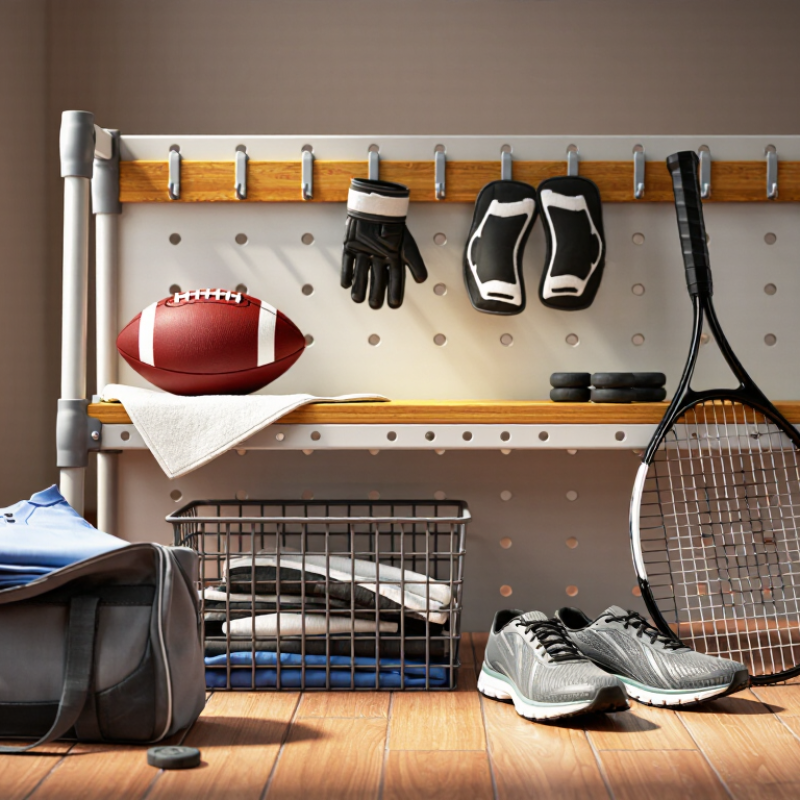
China’s climate varies widely, so sports equipment faces different risks by region and season. In humid southern cities, damp rooms and rainy commutes can leave shoes, gloves, and fabric bags wet for hours. Moisture encourages odor, mildew, and corrosion on metal parts. In northern areas, dry air and dusty outdoor courts can wear seams and moving joints. Summer heat can also soften some plastics and stress foam when gear sits in a closed car. Small causes add up.
Transport and daily handling matter, too. Equipment may be squeezed into crowded bags, placed beneath heavier items, or knocked against locker-room benches. A cracked racket frame or dented helmet shell can begin with one careless impact. Sand and grit trapped in shoe soles or zippers increase abrasion. Sweat left on straps and grips may make materials brittle or slippery over time. I used to think a quick wipe was enough; it often was not.
Tips: Dry gear fully before storing it, and keep it away from direct sun and hot car interiors. Use a ventilated bag when possible. Brush grit from soles and closures, then check stitching, buckles, and protective shells for damage. Don’t stack heavy items on delicate equipment. If something feels loose or cracked, stop using it until you inspect it carefully. A small routine helps, though it is easy to skip after a late practice.
The risk levels below are qualitative guidance, not measured national statistics. Actual exposure varies by city, season, venue, equipment material, and storage conditions.
| Common cause | Where or when it may occur | Equipment commonly affected | Typical damage | Relative risk | Practical protection |
|---|---|---|---|---|---|
| Rain, humidity, and damp storage | Rainy or humid periods, outdoor courts, wet changing areas, and enclosed storage spaces without ventilation | Leather or fabric balls, gloves, footwear, bags, wooden equipment, and metal components | Mildew, unpleasant odors, weakened adhesives, corrosion, or warping | Higher when stored damp | Dry equipment fully before storage; ventilate storage areas; use breathable bags; keep gear off wet floors; inspect metal parts for corrosion. |
| Strong sunlight and heat | Equipment left in direct sun, hot vehicles, exposed outdoor venues, or near heat sources | Rubber balls, foam, synthetic fabrics, protective padding, plastics, and adhesive-bonded footwear | Fading, material hardening or softening, loss of elasticity, and weakened adhesive bonds | Higher with repeated exposure | Store gear in a shaded, ventilated place; avoid leaving it in a parked vehicle; follow the manufacturer's temperature and care instructions. |
| Dust, grit, and abrasive surfaces | Outdoor courts, roadsides, unclean playing areas, and equipment stored without a cover | Racquet strings and grips, bearings, footwear, balls, protective gear, and moving parts | Surface abrasion, clogged mechanisms, faster wear, and reduced grip or control | Higher with frequent outdoor use | Wipe gear after use; clean moving parts as instructed; use protective covers; avoid dragging bags or equipment over rough ground. |
| Repeated impact and rough handling | Busy training sessions, shared facilities, crowded transport, and loading or unloading equipment | Racquets, bats, helmets, balls, frames, goggles, and electronic training devices | Cracks, dents, loose fittings, broken strings, or damage to protective shells | Higher during frequent handling | Use padded cases; secure equipment during transport; avoid stacking heavy items on fragile gear; check for cracks and loose parts before use. |
| Sweat, body oils, and salt residue | After intensive training, especially when equipment is placed in a closed bag before drying | Grips, straps, gloves, footwear, helmets, and fabric padding | Odor, material deterioration, reduced grip, and irritation from poorly cleaned contact surfaces | Higher without regular cleaning | Air out equipment promptly; clean washable items according to care labels; replace worn grips and liners; do not seal damp gear in a bag. |
| Incorrect cleaning products or methods | When strong solvents, bleach, excessive heat, or unsuitable washing methods are used | Coated fabrics, foam padding, rubber, lenses, leather, and bonded footwear | Discoloration, cracking, deformation, coating damage, or weakened adhesives | Avoidable with correct care | Follow the care label; use a mild cleaner when appropriate; test on a small area first; avoid machine washing or heat drying unless permitted. |
| Incorrect use or overloading | When equipment is used outside its intended sport, weight limit, adjustment range, or playing conditions | Racquets, bicycles, fitness equipment, protective gear, and sports bags | Excessive stress, bent components, premature wear, or reduced protective performance | Higher when specifications are ignored | Choose equipment suited to the activity and user; respect load limits; adjust fittings correctly; stop using gear that is damaged or no longer fits. |
| Long-term storage without inspection | Seasonal storage, school or club equipment rooms, and gear kept unused for extended periods | Inflatable balls, bicycles, footwear, straps, elastic components, and metal parts | Loss of pressure, dried or degraded materials, corrosion, and deterioration that goes unnoticed | Higher during extended storage | Clean and dry gear before storage; keep it in a cool, dry place; avoid compressing delicate items; inspect and test equipment before returning it to use. |
China has humid coasts, sunny regions, cold northern areas, and dusty sites. Choose protection for the venue, not a national average.
Use corrosion-resistant fittings and breathable covers. Dry wet balls, mats, and gloves before storing them. Sealed covers can trap moisture.
Choose UV-stabilized materials and protective coatings. Ask suppliers for recognized test results. Direct sun can still cause damage.
Check whether foam and flexible plastics tolerate cold conditions. Brittle edges can crack when gear is moved. Handle cold equipment gently.
Wipe hard surfaces, then dry them with a towel. Follow care labels for washable items, and rinse away detergent. Small habits help.
Remove shoe insoles and loosen the laces so air can reach inside. Dry gear in a shaded, ventilated place, then leave the bag open. Patience matters.
Check stitching, cracks, bent frames, worn grips, straps, and closures. Inspect equipment before and after sessions, then make a fuller monthly check. Quick glances miss things.
Replace worn laces, loose grips, or torn nets before use. Do not patch a cracked helmet or badly split bat. Ask a qualified repairer when safety is uncertain.
Note inspection dates and problems in a simple record. Replace damaged padding early, even when its surface still looks acceptable. My schedule sometimes slips.
How to protect sports equipment from damage in China begins with understanding the conditions it faces. Heat, humidity, dust, rain, frequent use, and rough handling can weaken materials or cause rust, mold, cracks, and wear. Choose equipment and protective covers suited to the local climate and your sport, favoring durable, moisture-resistant materials where appropriate. After each use, remove dirt and sweat, then let items dry completely before packing them away.
Careful storage and transport also help prevent avoidable damage. Use padded bags or cases, keep equipment away from direct sunlight and damp areas, and avoid stacking heavy objects on delicate items. Check your gear regularly for loose parts, worn straps, damaged surfaces, or other signs of deterioration. Make small repairs promptly when practical, and replace equipment that is no longer safe or reliable. With consistent cleaning, protection, and inspection, sports equipment can remain in better condition for longer.

 Insider Sports