How to Properly Store Sports Balls for Longer Lifespan?

Time:2026-08-21 Author:Ethan
0%

Storing sports balls correctly can significantly enhance their lifespan. Proper care ensures that your equipment maintains its performance and appearance. Learning how to store sports balls to make them last longer is essential for enthusiasts and casual players alike.

Many people overlook storage methods, leading to premature wear. For instance, leaving a basketball in direct sunlight can cause the material to break down. It is also critical to avoid damp areas, which can promote mold growth. Understanding these details reflects experience and knowledge in sports equipment care.

Using appropriate bags or containers protects against physical damage during off-seasons. Simple strategies can make a difference. However, some may not initially appreciate this importance. Reflecting on past mistakes can guide better practices. Embracing these insights ultimately leads to longer-lasting sports balls.
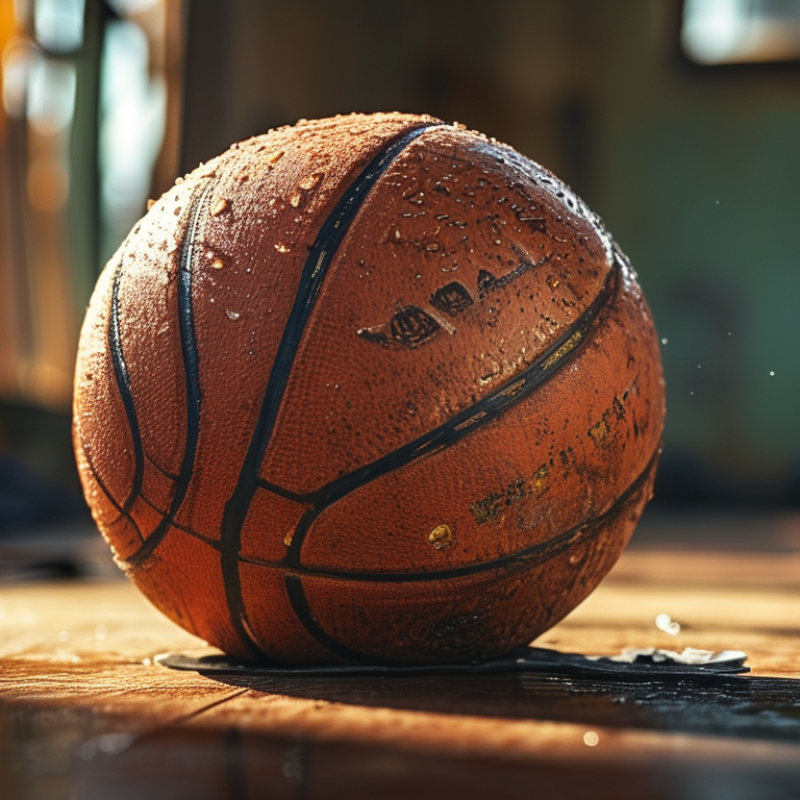
How to Properly Store Sports Balls for Longer Lifespan?

Importance of Proper Storage for Sport Balls

Proper storage is essential for extending the lifespan of sports balls. Many athletes overlook this aspect, but improper storage can lead to premature wear and tear. When balls are left exposed to harsh conditions, their material can break down. For example, UV rays can cause fading and cracking, while excessive moisture can lead to mold growth.

One effective tip is to keep your balls in a cool, dry place. A temperature-controlled environment is ideal. Avoid storing them in a damp basement or a hot garage. This prevents damage to the material. Regularly check for any signs of wear. Even small tears or dents can affect performance.

Another helpful practice is to use breathable storage bags. These allow air circulation while keeping dust at bay. Consider organizing your balls by type to easily access them. This not only helps in maintenance but also allows you to identify any that need attention. Prioritizing storage can feel tedious, but it pays off over time.

Best Environment Conditions for Storing Sport Balls

Storing sports balls properly can significantly extend their lifespan. The right environment plays a crucial role in maintaining their quality. Ideally, store them in a cool, dry place away from direct sunlight. Excessive heat can cause materials to deteriorate. Humidity can create mold or attract pests. Find a spot where the temperature remains stable.

Avoid cramped spaces that may lead to deformation. A well-ventilated area helps keep the materials intact. Using ball bags or bins can organize your collection while providing some level of protection. Although it seems simple, overlooking these conditions can lead to costly replacements. Dust and dirt can accumulate on surfaces, making regular cleaning necessary.

Monitoring the storage environment regularly is smart. Even minor changes in temperature or moisture may affect longevity. Pay attention to any signs of wear and tear, and be proactive about storing them correctly. This simple maintenance can make a significant difference over time.

Sports Balls Storage Conditions and Their Impact on Lifespan

Recommended Storage Materials and Solutions for Sport Balls

Proper storage of sports balls significantly impacts their durability and performance. According to the American Sports Medicine Institute, improper storage can reduce a ball's lifespan by up to 50%. To avoid this, selecting the right materials and methods is crucial.

Use breathable storage bags to keep balls dry and prevent mold growth. Plastic bags can trap moisture and create a breeding ground for fungi. Instead, opt for mesh or cotton bags. Additionally, avoid keeping balls in extreme temperature conditions. A temperature range of 15-25 degrees Celsius works best. Extreme heat can warp the materials, while cold can cause cracks.

Inflating balls to the recommended pressure is vital before storage. Over-inflation can lead to deformation, while under-inflation may cause them to lose shape. Regularly check the air levels to ensure the best condition. Finally, consider placing the balls in a dedicated area, free from heavy weights or objects that could cause damage. Following these guidelines can extend the lifespan of your sports balls, ensuring that they perform well every time you use them.

Maintenance Tips for Extending the Lifespan of Sport Balls

Proper maintenance of sports balls can significantly extend their lifespan. It is crucial to keep them clean and dry. After each use, wipe the surface with a damp cloth to remove dirt and sweat. For balls used outdoors, consider rinsing them with water to prevent grime buildup. Storing the balls in a cool, dry place is essential. Extreme heat or humidity can damage the materials.

Inflation levels also matter. Check the recommended pressure for each ball. Overinflation can lead to deformation, while under-inflation makes them hard to use. Regularly inspect your balls for any signs of wear and tear. Look for cracks, leaks, or discoloration. Even a small issue could lead to bigger problems later.

When not in use, keep your sports balls in storage bags or containers. This prevents dust accumulation and keeps them away from sharp objects. Avoid leaving them in direct sunlight, as UV rays can degrade the material. Reflect on your current storage practices. Are your sports balls well-protected? Taking these steps can ensure your sports equipment remains in top condition for a longer time.

Signs of Wear and When to Consider Replacing Sport Balls

Sports balls are essential equipment in many games, but they do wear out over time. Recognizing the signs of deterioration can prevent poor performance and injury. A research by the Sports Industry Association shows that nearly 45% of athletes replace their balls every year due to wear and tear. This highlights the importance of awareness regarding a ball's condition.

Common indicators of wear include surface cracking, loss of shape, and decreased air retention. For instance, a basketball may begin to leak air more frequently, affecting gameplay. If a ball no longer bounces consistently, it’s time for a replacement. Data from the American College of Sports Medicine indicates that damaged balls can lead to player injuries, especially in high-intensity sports.

In addition, professional recommendations suggest assessing your balls at least once a season. Look closely for discoloration, which can indicate material degradation. A football with frayed laces or a deflated soccer ball could cause a significant drop in performance. Keeping track of these details can enhance your game and prolong equipment lifespan.

How to Properly Store Sports Balls for Longer Lifespan?

Sport Type Recommended Storage Temperature (°C) Signs of Wear Replacement Considerations
Football 10 - 20 Cracks, discoloration If inflated shape changes
Basketball 15 - 25 Surface peeling, loss of grip If bounce height decreases
Soccer Ball 10 - 20 Visible seams, shape deformation If water absorption occurs
Tennis Ball 10 - 20 Faded color, reduced bounce If surface feels flat
Volleyball 15 - 25 Tears, loss of air If stitching comes undone

FAQS

: Why is proper storage of sports balls important?

: Proper storage extends the lifespan of sports balls and prevents premature wear.

What happens if sports balls are stored improperly?

Improper storage leads to material breakdown, fading, and mold growth.

Where should I store my sports balls?

Keep them in a cool, dry place away from damp areas or extreme heat.

How can I check the condition of my sports balls?

Regularly inspect for small tears, dents, or signs of surface cracking.

What are signs that a sports ball needs replacing?

Look for loss of shape, decreased air retention, or inconsistent bouncing.

How often should I assess my sports balls?

It’s recommended to check them at least once a season for wear and damage.

Can damaged sports balls cause injuries?

Yes, using worn balls can lead to player injuries during high-intensity sports.

Should I use storage bags for my sports balls?

Yes, breathable bags allow air circulation and keep dust away.

How can I organize my sports balls effectively?

Organizing by type makes it easier to access and maintain them.

Is storing sports balls tedious?

Yes, it can feel tedious, but prioritizing storage pays off in the long run.

Conclusion

Proper storage of sports balls is essential for extending their lifespan and maintaining optimal performance. To store sports balls to make them last longer, it is crucial to understand the importance of environmental conditions. Ideally, sports balls should be kept in a cool, dry place away from direct sunlight and extreme temperatures, as these factors can cause deterioration. Using appropriate storage materials such as bags or containers designed for sports equipment can further protect the balls from damage.

Regular maintenance also plays a significant role in longevity. Cleaning balls after use and properly inflating them according to manufacturer guidelines can prevent wear. Additionally, being mindful of signs of wear—such as cracks, loss of shape, or diminished performance—can help determine when it's time to consider a replacement. By implementing these storage and maintenance strategies, athletes can ensure their sports balls remain in good condition for an extended period.

Ethan

Ethan

Ethan is a seasoned marketing professional with a deep expertise in our company's innovative product line. With a passion for sharing knowledge and insights, he takes the lead in regularly updating our corporate blog, where he explores industry trends, product features, and effective marketing......