Sports balls are essential for athletes, but they often lose pressure over time. Understanding why do sports balls lose pressure over time is crucial for maintaining optimal performance. Factors like temperature, humidity, and material degradation all play a role in this issue.
Many players have experienced the frustration of a deflated ball during practice or competition. This situation can hinder performance and diminish the enjoyment of the game. Regular maintenance and proper storage are critical. For instance, keeping balls in a climate-controlled environment can help slow down pressure loss.
Moreover, players should regularly check air pressure. Yet, many overlook this simple task. Identifying and addressing the root causes of pressure loss can significantly extend a ball's lifespan. Awareness of the factors involved is vital for both casual players and professionals seeking consistent performance.
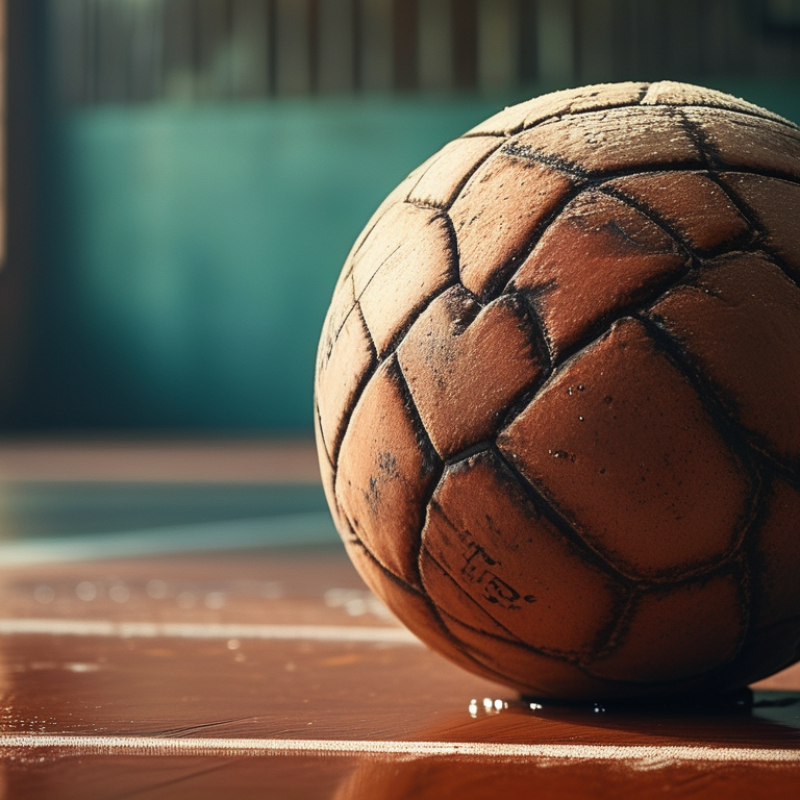
Understanding air pressure is crucial for maintaining sports balls. Over time, these balls lose pressure due to small leaks and environmental factors. A properly inflated ball performs better, ensuring a good game experience.
Different sports have specific pressure requirements. For instance, footballs and basketballs require higher pressures than soccer balls. It's important to monitor these levels regularly. Checking the pressure with a gauge is essential, even if the ball feels fine. This can prevent unexpected drops in performance during play.
Storing sports balls in ideal conditions is also key. Avoid extreme temperatures, which can affect air pressure. A humid environment can cause materials to degrade over time. Regular inspection can help identify any wear and tear. Maintaining air pressure ensures that athletes have consistent performance, which is vital for training and competition. Taking these small steps can significantly enhance the longevity and effectiveness of sports balls.
Sports balls lose pressure over time due to several common factors. One major cause is temperature fluctuations. Heat can expand the air inside the ball, while cold can compress it. Often, people store balls in garages or attics, where temperatures change drastically. This can lead to unwanted pressure loss.
Another aspect is wear and tear. Each time a ball is used, it experiences friction and impacts. This can create tiny holes or weaknesses in the material, allowing air to escape slowly. Regular inspection is crucial. Look for signs of damage or wear after every use.
Finally, improper inflation levels can contribute to pressure loss. Over-inflating or under-inflating a ball isn’t just bad practice; it can shorten its lifespan. Always use a reliable gauge to check pressure. Storing balls in cool, dry places will help too. Understanding these factors can help maintain the integrity and performance of your sports balls.
When it comes to storing sports balls, the right method is essential for maintaining their pressure and longevity. Ideally, keep balls in a cool, dry place away from direct sunlight. High heat can degrade materials and lead to air loss. Use a dedicated storage bag or box that allows airflow. This prevents moisture buildup, which can damage the ball. A simple mesh bag works well for this purpose.
Consider checking the pressure of each ball before and after use. This ensures you catch any significant loss early. Many people overlook the importance of regular inspection. Additionally, avoid stacking heavy items on top of stored balls. This can cause deformation and further pressure loss. If you’re not using balls frequently, consider using a pump to maintain optimal pressure occasionally.
Storing balls correctly isn't always straightforward. Each type of ball requires different care. It's essential to research specific needs based on the sport. Even minor adjustments in your storage routine can make a significant difference. Reflecting on past storage practices may reveal areas for improvement. Small changes can lead to better preservation of your sports equipment.
Maintaining the pressure of your sports balls is crucial for optimal performance. Regularly checking the pressure can save you from subpar play. Use a reliable pressure gauge to monitor ball inflation. For most sports balls, the ideal pressure range is usually indicated on the surface. Always aim to keep your ball within this range.
Store your balls properly. Avoid extreme temperatures and direct sunlight. Humidity can also affect ball pressure. A cool, dry place is best for storage. Occasionally, wipe the surface with a damp cloth. This helps prevent deterioration. If a ball feels soft, inflate it properly. But don’t over-inflate; that can cause damage.
Check your balls before each use. This ensures they are ready for action. Be mindful that even with care, pressure loss is natural over time. If you notice significant pressure loss, reflection is needed. Consider the quality of your balls and the environment in which they are stored. Regular maintenance truly helps prolong their lifespan.
Inflating sports balls properly is crucial for maintaining their performance. Low pressure can affect how they bounce, roll, and handle. Over time, air can escape from the seams or through the material. When you notice a drop in firmness, it's time to reinflate them. Checking the pressure should be a routine task.
For inflation, use a reliable pump and gauge. Insert the needle gently into the valve. Fill it with air gradually, stopping periodically to check the pressure. Each type of ball has a recommended pressure range. Make sure you refer to this to avoid over-inflation. Too much air can lead to ruptures and other issues.
Inflation isn’t always straightforward. If a ball won’t hold pressure, there may be damage. Examine it closely for leaks. If you find any, repairs or replacements may be necessary. Keeping sports balls in optimal shape takes effort. Regular checks and mindful inflations can extend their lifespan. Each task contributes to a better game experience.
: Regularly check the pressure using a reliable gauge. Store in a cool, dry place away from sunlight.
Proper pressure ensures optimal performance. This prevents unexpected drops during play and enhances the game experience.
Keep balls in a cool, dry area. Avoid extreme temperatures and humidity to prevent material degradation.
Inspect balls regularly before and after use. This helps catch any significant pressure loss early.
Avoid stacking heavy items, as this may deform the balls and lead to further pressure loss.
Inflate it properly, but avoid over-inflation, as that can damage the ball.
Yes, pressure loss is natural, even with proper maintenance. Regular checks are essential.
Reflect on past storage practices. Minor adjustments can significantly improve preservation.
Yes, each sport's ball requires unique care. Research their specific needs for best results.
Occasionally wipe the surface with a damp cloth to prevent deterioration and maintain performance.
Sports balls lose pressure over time due to various factors, including material degradation, temperature fluctuations, and exposure to environmental elements. Understanding the air pressure within sports balls is essential for maintaining their performance and longevity. Common causes of pressure loss include punctures, leaks, and poor storage conditions.
To prevent these issues, effective storage methods such as keeping balls in a cool, dry place away from direct sunlight are crucial. Regular maintenance tips, like checking pressure frequently and cleaning the surfaces, can help prolong the life of sports balls. Knowing when to reinflate and how to properly inflate sports balls ensures they remain in optimal condition for use. By following these guidelines, players can better understand why do sports balls lose pressure over time and take steps to maintain consistent performance.

Insider Sports