In the world of sports, one question often arises: "Why is proper equipment important in sports?" The answer goes beyond mere preference. Proper equipment can significantly enhance performance, safety, and comfort. Athletes need gear that fits well, offers protection, and supports their movements.
Take running shoes, for instance. A poorly fitted shoe can lead to injuries. This can derail training and affect overall performance. Athletes often overlook this aspect, assuming any shoe will suffice. This neglect can be damaging. In sports like cycling, the right bike and helmet are crucial. They not only enhance efficiency but also provide necessary safety features.
Yet, it's also essential to recognize that even the best equipment needs proper use and maintenance. Athletes sometimes ignore guidelines, leading to unintentional mishaps. Understanding equipment's role is vital. A well-informed athlete grasps that their tools can greatly influence their success.
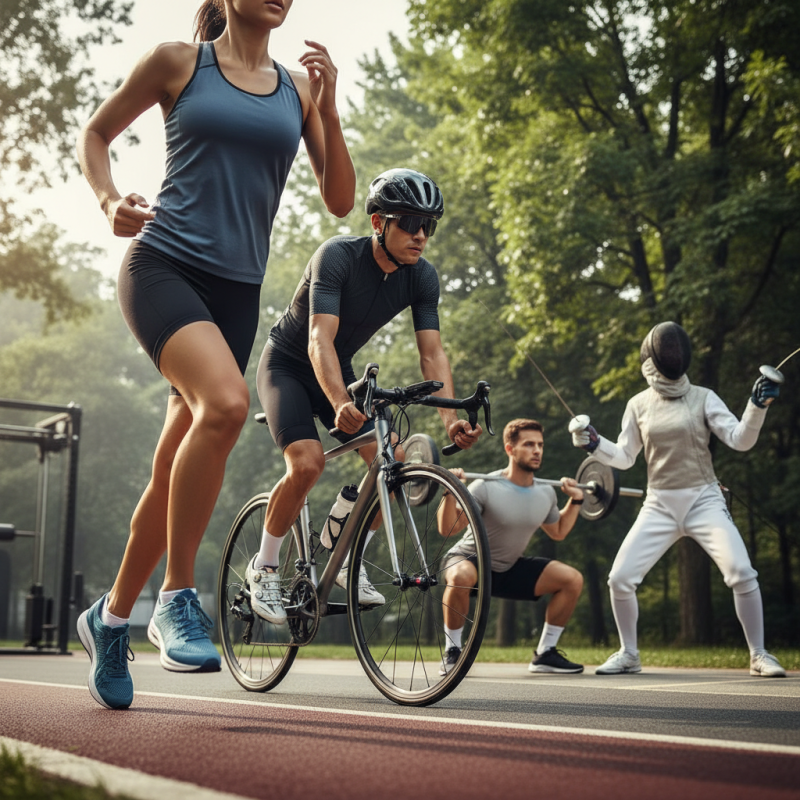
The quality of sports equipment can significantly influence an athlete's performance. High-quality gear provides the necessary support and comfort during intense training sessions. For instance, well-fitted running shoes can help prevent injuries and improve efficiency. Athletes are often advised to invest in quality gear, as it plays a vital role in optimizing their capabilities.
However, relying solely on equipment may lead to complacency. Some athletes believe that having the best gear guarantees success. This mindset can create a false sense of security. It's essential for athletes to recognize their limitations and the need for consistent training. Equipment can enhance performance, but it cannot replace hard work and dedication.
In certain situations, athletes might find themselves facing equipment-related challenges. A malfunctioning piece of gear can disrupt an entire training session or competition. It's crucial for athletes to regularly inspect and maintain their equipment. Being proactive in this regard shows a commitment to their sport and enhances reliability during performance.
Proper equipment plays a pivotal role in sports performance. It directly influences skill development and technique. For example, a runner wearing the right shoes can improve their form. The shoes provide necessary support, enhancing foot strike and reducing injury risks. Equipment like this ensures athletes can focus on improving speed and technique.
In contrast, inappropriate gear can hinder progress. An athlete using a poorly fitting racquet will find it hard to master their swing. This mismatch can lead to frustration and a lack of confidence. Many athletes who ignore the importance of their tools often find themselves stuck in their training. The right equipment serves as a foundation for refining skills. Athletes should carefully evaluate their gear for better results.
Moreover, the relationship between an athlete and their equipment is complex. It requires a balance of comfort and functionality. Some may struggle to find this equilibrium, leading to suboptimal performance. It’s essential to reflect on one’s equipment choices. Constant assessment can bring noticeable improvements in technique and overall performance.
| Sport | Equipment Type | Impact on Performance | Skill Development | Example of Techniques |
|---|---|---|---|---|
| Soccer | Cleats | Improved grip and traction on the field | Enhanced ball control and agility | Dribbling, shooting precision |
| Basketball | Basketball Shoes | Support and cushioning for better footwork | Improved jump and landing techniques | Layups, defensive stances |
| Tennis | Rackets | Impact on shot power and control | Refined swing mechanics | Topspin, backhand technique |
| Swimming | Swimsuits | Reduction of drag, enhanced buoyancy | Streamlined body position | Freestyle, butterfly stroke |
| Cycling | Bikes | Efficiency in pedaling and speed | Proper gear selection | Climbing hills, sprinting |
Proper equipment is essential for optimizing sports performance and protecting athletes. A report from the National Athletic Trainers' Association indicates that nearly 40% of sports injuries are linked to improper equipment. This showcases the vital nature of choosing the right gear. For instance, poorly fitting shoes can exacerbate foot and ankle injuries.
Athletes need to ensure their footwear is suitable for their specific sport and provides necessary support.
Injury prevention is a significant focus for sports safety. Studies show that utilizing the correct protective gear, like helmets and pads, can reduce the risk of concussions and fractures by up to 60%. It's crucial to maintain and replace equipment regularly to ensure its integrity. Outdated or damaged gear can lead to unexpected injuries during play. Regularly inspecting equipment can prevent serious accidents.
Tips for athletes include conducting routine checks on gear for wear and tear. Ensure that helmets fit snugly and that mouthguards are intact. Consider consulting a coach or a sports professional for personalized recommendations. Remember, investing in the right equipment isn't just about performance; it's about ensuring safety and longevity in sports. Athletes often overlook how crucial small pieces of gear can be in injury prevention.
Proper equipment plays a vital role in sports performance. Recent advancements in sports technology have transformed how athletes train and compete. Cutting-edge tools, like smart wearables, provide real-time data on heart rate, movement, and hydration, helping athletes optimize their performance. A report from the National Sports Technology Institute reveals that using advanced monitoring systems can improve training efficiency by up to 30%.
Selecting the right gear enhances safety and prevents injuries. For instance, properly fitted footwear can reduce the risk of ankle sprains by nearly 50%. Athletes should consider using data analytics to evaluate equipment choices, ensuring they invest in tools that fit their unique needs.
**Tip:** Regularly assess your equipment’s condition. Worn-out gear can hinder performance and lead to injuries.
Continuous innovation in sports gear has also raised ethical questions. Some athletes feel pressure to adopt new technologies, which can widen performance gaps. This disparity highlights the need for equitable access to these advancements.
**Tip:** Stay informed and critically evaluate the technology you use. Strive to balance tradition and innovation in your training approach.
In sports, the right equipment plays a significant role in enhancing overall performance. One often overlooked aspect is the psychological benefits associated with using proper gear. When athletes wear appropriate equipment, they feel more confident and secure. This improved mindset can lead to better focus during competitions.
Imagine a runner with well-fitted shoes. They can channel their energy into performance instead of discomfort. On the other hand, using inadequate gear may lead to frustration and anxiety. An athlete might question their skills or even lose motivation if their equipment fails them. The right tools can empower athletes, reinforcing a positive self-image.
Moreover, well-designed equipment often enhances not just performance but also safety. This reassurance allows athletes to push their limits. However, reliance on equipment can lead to overconfidence. Athletes might ignore their fundamentals, believing that gear alone can bring success. Balancing reliance on technology and personal skill sets is crucial for long-term growth in sports.
: Proper equipment is essential for improving skill development and technique, influencing an athlete's performance.
Inappropriate gear can hinder progress, leading to frustration and a lack of confidence in mastering skills.
Safety equipment prevents injuries. For instance, correct helmets and pads can reduce concussion risks by up to 60%.
Athletes should conduct routine checks for wear and tear. Regular inspections can prevent unexpected injuries.
Recent advancements, like smart wearables, provide data that helps athletes optimize their training performance.
Yes, new technologies can widen performance gaps. This raises ethical concerns about fair access to advancements.
Evaluating gear choices ensures athletes invest in equipment that meets their unique needs and enhances safety.
Yes, athletes often underestimate how crucial small gear pieces are in preventing injuries and enhancing performance.
A balance of comfort and functionality is needed. Missing this equilibrium can lead to suboptimal performance.
Investing in proper equipment is about performance and ensuring safety and longevity in sports activities.
Proper equipment is crucial for sports performance because it directly impacts athletes' ability to train effectively and compete at their best. High-quality equipment not only enhances an athlete's skill development and technique but also serves as a foundation for safety and injury prevention. Athletes who use the right gear are often able to perform at higher levels, reducing their risk of injuries caused by improper support or functionality of equipment.
Moreover, advancements in sports technology have played a vital role in enhancing performance, allowing athletes to gain a competitive edge. The psychological benefits of using proper equipment should not be overlooked either; having reliable gear instills confidence and can positively influence an athlete's mindset. Ultimately, understanding "why is proper equipment important in sports" goes beyond mere functionality, affecting every aspect of an athlete's performance and overall experience in their sport.

Insider Sports