A football leaves the boot cleanly on a mild afternoon, then skids farther than expected after rain. A basketball may feel firm indoors but lose bounce in cold air. These changes are not imagined. Temperature, humidity, wind, and wet surfaces can alter a ball’s pressure, grip, flight, and rebound. Why do weather conditions affect sports balls? The answer often begins with the materials: rubber, synthetic leather, seams, coatings, and the air inside the ball respond differently to their surroundings.
For sports balls made in China, these factors matter from product design through testing and use. Manufacturers may assess surface texture, panel construction, inflation guidance, and performance across controlled conditions. Yet a laboratory result cannot reproduce every field: one pitch drains well, another holds water; a school court may be dusty, while a coastal venue feels damp. Small differences count. A ball that grips well in dry conditions may feel slick when wet, and cold can make some materials feel firmer or less responsive.
The details deserve careful attention. Weather is only one influence; ball size, wear, inflation, and playing surface matter too. There is no single adjustment that works for every ball or sport. Even a useful rule of thumb can fail on a particular day. This guide examines how conditions affect performance, what buyers and players can check, and why clear product testing matters. It also leaves room for uncertainty: real-world behavior should be verified, not assumed.
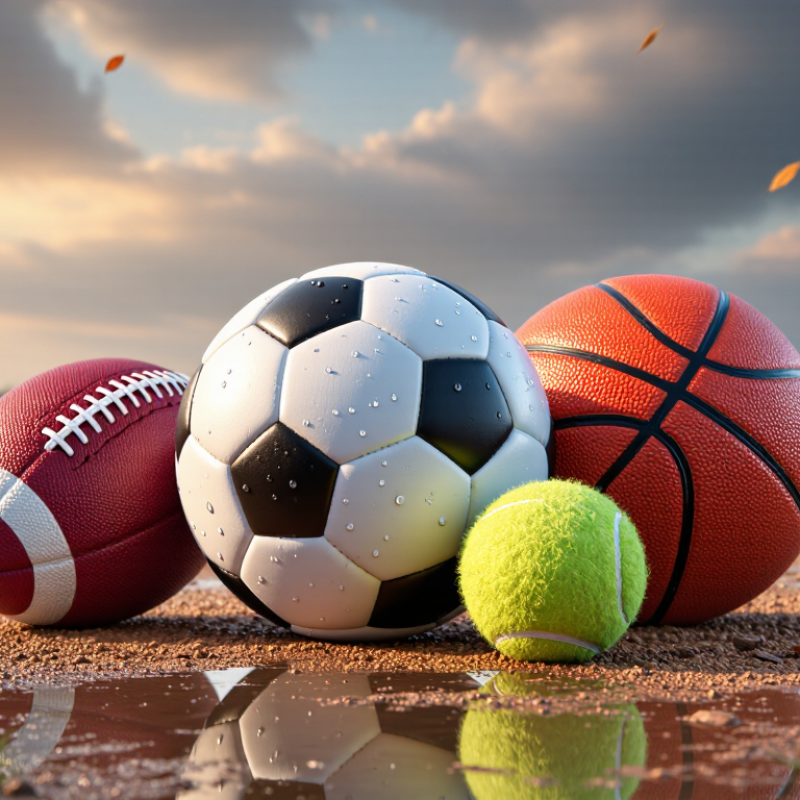
A sports ball’s feel depends on its cover, bladder, seams, and internal pressure. In cold weather, rubber components can become less elastic, while the air inside contracts and pressure falls. The ball may feel harder to control or bounce differently. Heat can raise internal pressure and soften some synthetic covers. Rain adds another challenge: moisture may increase surface weight and reduce grip, especially around textured panels and seams.
FIFA’s football quality-test protocol assesses seven properties, including weight, rebound, pressure loss, and water absorption. These checks show why material stability matters across changing conditions. The World Meteorological Organization’s State of the Global Climate 2023 reported global mean temperature at 1.45 ± 0.12°C above the pre-industrial average. That figure is global, not a prediction for any court, but it underlines why equipment faces varied conditions. Still, weather is only part of the story; construction and storage matter too.
Tips: Let a ball adjust to the playing temperature before inflating it. Check pressure with a gauge, following the maker’s stated range, and dry the surface after wet play. A quick hand squeeze is useful, but not precise.
Temperature changes how a sports ball feels before a game even begins. In warm air, the gas inside a sealed ball expands, raising its internal pressure. In cold conditions, pressure falls. A ball checked indoors may therefore feel softer after sitting beside a chilly outdoor court. Small changes matter. Use a reliable pressure gauge and follow the ball’s recommended range; squeezing it by hand is only a rough check.
Pressure affects bounce, but temperature also changes the ball’s cover and inner materials. A colder surface can feel firmer, while the reduced pressure may make the ball rebound less lively. Warm conditions can produce a sharper bounce, though excessive heat or direct sun may stress materials over time. The result varies with construction, so one rule will not fit every ball. That is easy to overlook.
Shape depends on even internal pressure and sound construction. A ball stored under heavy objects, or left in strong heat for long periods, may develop a lasting distortion or uneven feel. Let it return to a moderate temperature before judging its shape or adjusting pressure. For sports balls made in China, as elsewhere, consistent materials and quality checks can help reduce variation, but storage and playing conditions still matter. I would not treat a single bounce test as proof; check pressure, seams, and roundness together.
Humidity, rain, and wind can change how a sports ball feels and travels. In humid air, some ball covers may feel slightly tackier, while damp surfaces can become slick. Water may also add weight or affect grip, depending on the ball’s material and construction. A wet court or field changes the bounce, too. The same ball can behave differently after a short shower. Small differences matter.
Wind is especially noticeable with lighter balls and high, lofted passes. A crosswind can push a ball off its expected line, while a headwind may shorten its flight. Temperature and air density also play a part, but wind direction is often the clearest clue during play. It is easy to blame the ball when a shot drifts; checking the conditions first is more useful. Still, weather is not the only factor. Inflation, wear, and surface type matter as well.
Tips: Before play, check the ball’s pressure and feel its surface with dry hands. If rain starts, wipe the ball and expect less predictable grip. Watch a few warm-up passes in the wind. Adjust gently; a quick test beats guessing.
Weather affects sports balls differently because their covers, internal pressure, and intended surfaces vary. A soccer ball on wet grass may skid farther after a low pass, while a firm, dry field can make it rebound more sharply. On compact dirt, small stones and dust can change its roll. The same ball may feel quite different across these conditions.
Basketballs show another contrast. A damp outdoor court can reduce grip, and rough asphalt wears the cover faster than a smooth indoor floor. Tennis balls absorb moisture through their felt, so they may feel heavier and travel less predictably on a wet court. Volleyballs used outdoors also face wind, which can shift a high serve even when the ball itself is unchanged. Small differences matter.
For balls made in China, as for balls made elsewhere, surface design and construction help determine how weather is felt during play. Check pressure in the temperature where the ball will be used; cold air can lower its pressure. Keep wet balls out of sealed bags until they dry. There is no perfect rule. A quick bounce test on the actual playing surface is useful, though it cannot replace careful inspection. A little uncertainty remains.
Why Do Weather Conditions Affect Top Sports Balls from China?
How Chinese Manufacturers Adapt Balls to Weather Conditions
Temperature, rain, and humidity change how a ball feels and performs. Cold air can lower internal pressure, making a ball feel softer; heat can raise pressure. Wet surfaces also alter grip and flight. Chinese manufacturers respond by testing materials, construction, and inflation guidance across controlled conditions. FIFA’s Quality Programme for Footballs specifies size-five ball limits of 68.5–69.5 cm in circumference and 420–445 g in weight. Its testing framework also checks shape, rebound, water absorption, and pressure loss. These measures help manufacturers assess consistency, not promise identical play in every climate. Small changes matter.
For cold-weather use, factories may compare bladder materials and seam designs for pressure retention and shape stability. In wet tests, they check whether the outer texture still provides predictable contact after water exposure. Hot-weather trials can reveal changes in pressure and surface feel. Test teams record results, then adjust specifications or recommend suitable inflation ranges. Still, laboratory conditions cannot reproduce every field: altitude, storage, and repeated impacts complicate the picture. That deserves more attention.
Tips: Let a ball acclimate before play, and check its pressure with a gauge rather than judging by touch. Follow the manufacturer’s stated pressure range. Recheck after temperature changes, especially when moving between a warm indoor space and a cold field.
Weather can change ball pressure, material flexibility, surface grip, and flight. The effects and suitable specifications vary by ball design, sport, and intended conditions; the examples below describe common manufacturing considerations rather than universal performance guarantees.
| Ball type | Weather condition | Likely effect on play | Common manufacturing adaptation | Relevant quality checks |
|---|---|---|---|---|
| Soccer ball | Cold temperatures | The ball’s gas pressure can fall as the air cools, and its outer materials may feel firmer, changing rebound and touch. | Select an appropriate bladder and panel construction for the target use; specify inflation pressure and storage guidance for the intended temperature range. | Pressure retention, circumference, mass, rebound, and seam or bond integrity after temperature conditioning. |
| Soccer ball | Rain and wet pitches | Water uptake, surface slickness, and moisture at seams can affect handling and may increase the ball’s mass if the construction absorbs water. | Use suitable coated cover materials, controlled panel joining, and water-resistant construction; avoid claiming that any ball is completely waterproof unless verified to a defined test. | Water-absorption or water-uptake testing, mass change, seam inspection, and wet-condition grip assessment. |
| Basketball | Hot weather or direct sunlight | Warming the enclosed air can raise internal pressure; heat and UV exposure can also contribute to surface aging over time. | Choose cover compounds and finishes for the intended indoor or outdoor use, and provide inflation and storage instructions that account for temperature changes. | Pressure and rebound checks at specified temperatures, cover adhesion, abrasion resistance, and, where required, UV-aging tests. |
| Volleyball | Humid conditions | Moisture on the surface can alter hand contact; prolonged damp storage may affect some materials or bonded areas. | Select cover materials and bonding systems suited to the intended indoor or outdoor environment, and specify drying and storage practices. | Surface and bond inspection after humidity conditioning, circumference and mass checks, and rebound testing. |
| Tennis ball | High altitude or changing atmospheric pressure | The pressure difference between a pressurized ball and its surroundings can affect bounce and feel; altitude-specific play may require a different ball specification. | Offer a specification suited to the intended playing environment, using controlled core construction and felt selection rather than one design for every altitude. | Mass, size, deformation, rebound, and pressure-retention checks under the applicable product specification. |
| Outdoor basketball or soccer ball | Repeated exposure to sun, heat, and outdoor surfaces | UV exposure and abrasive surfaces can gradually wear or fade the cover; repeated temperature changes can stress materials and joins. | Match the cover texture and compound to outdoor use, control material consistency, and evaluate durability under representative exposure conditions. | Abrasion, colorfastness, UV aging where specified, bond or seam durability, and post-conditioning shape checks. |
Test methods and acceptance limits should be set for the specific sport, product specification, and market requirements. Store balls away from prolonged direct sunlight and follow the maker’s recommended inflation pressure.
Humid air may make some covers feel slightly tackier. Damp surfaces can still become slick. Small differences matter.
Water may affect its weight and grip, depending on its materials. Wipe it with a dry cloth when possible. Expect less predictable contact.
A crosswind can push it sideways. A headwind may shorten its flight, especially on high passes. Watch warm-up shots.
Yes. Wet courts and fields can change how the ball rebounds. The same ball may behave differently after a short shower.
Cold air can lower internal pressure, making a ball feel softer. Heat can raise pressure. Check it with a gauge.
They may test shape, rebound, water absorption, and pressure loss under controlled conditions. That test is imperfect.
For size-five balls, common specifications set circumference at 68.5–69.5 cm and weight at 420–445 g. These checks support consistency.
Let the ball adjust to the temperature. Check its pressure, wipe away water, and try a few passes. Guessing is easy.
No. Altitude, storage, repeated impacts, and field surfaces can change performance. That deserves more attention.
Why do weather conditions affect sports balls? Because temperature, humidity, rain, and wind can change the materials and physical behavior that determine how a ball moves. Heat may increase internal pressure and alter a ball’s shape, while cold can make materials stiffer and reduce bounce. Moisture can add weight, affect grip, and change how a ball travels, and wind can influence its speed and direction. These effects vary across ball types, since each uses different materials and construction, and they also depend on the playing surface.
To maintain reliable performance in changing conditions, manufacturers in China can adjust material choices, internal pressure, surface textures, and construction methods. They may test balls across a range of temperatures and moisture levels, while considering how each design performs on grass, court, or other surfaces. Such adaptations help make sports balls more consistent, durable, and suitable for different environments.

Insider Sports