Sports accessories now support a much larger and more active user base. The SFIA 2024 Topline Participation Report recorded more than 242 million Americans participating in at least one sport or fitness activity in 2023. More use creates more wear. It also increases the importance of simple, repeatable care.
The World Health Organization’s Global Status Report on Physical Activity 2022 states that 31% of adults worldwide do not meet recommended activity levels. As participation grows, poorly maintained helmets, gloves, bags, mats, shoes, and protective equipment can lose comfort and performance. This guide explains How to maintain sports accessories correctly through cleaning, drying, inspection, storage, and timely replacement. The advice follows common manufacturer guidance and practical principles used in product safety and equipment care. Check the label first. Materials respond differently.
A reliable routine should be specific. Wipe sweat from resistance bands after training. Air-dry boxing gloves with their openings fully spread. Remove stones from running-shoe soles before they harden. Store helmets away from heat, sunlight, and heavy objects. Never hide damage beneath cosmetic repairs. A cracked shell, stretched strap, loose seam, or unpleasant odor may signal deeper deterioration.
Not every accessory needs replacing immediately. However, delaying inspection can become expensive. Personal experience often reveals an inconvenient truth: people clean visible surfaces while ignoring seams, buckles, interiors, and closures. I have made that mistake too. Therefore, this 2026 guide combines daily habits with monthly checks and manufacturer-approved replacement advice. It also recognizes uncertainty, because product materials, climate, sweat exposure, and training intensity vary widely. Good maintenance is not perfection. It is consistent attention.
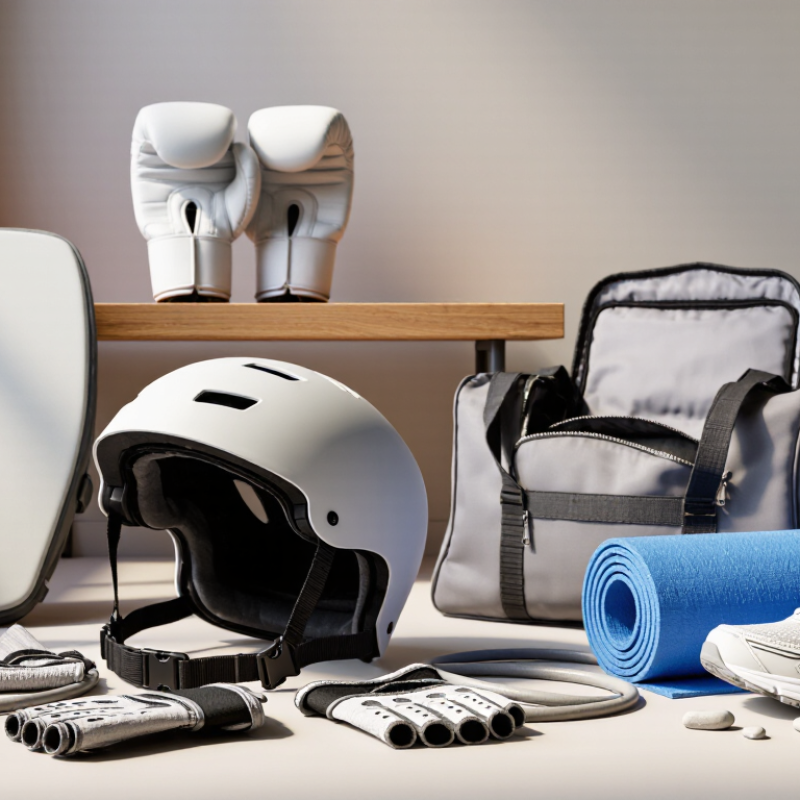
How to Maintain Sports Accessories Correctly in 2026?
The Sports & Fitness Industry Association reported 242.6 million U.S. participants in 2023. That scale makes accessory care more important. Different materials need different routines. Wash sweat-soaked shirts soon, using cool water and mild detergent. Air-dry technical fabrics. High heat can damage elastic fibers and reduce fit. Clean yoga mats after each session. Wipe them with diluted soap, then dry them fully. Trapped moisture can create unpleasant odors and surface damage.
Footwear needs patience. Remove the insoles and let shoes dry naturally. Do not place them directly on a radiator. Inspect running soles every few weeks. Uneven wear can affect stability. Helmets require closer attention. The Snell Foundation advises replacing helmets after serious impact, even when damage looks minor. Store helmets away from sunlight and solvents. Smart accessories also need care. The Consumer Technology Association reported strong growth in connected fitness devices, but sensors still dislike sweat and water exposure. Follow the device’s stated resistance rating.
Tips: Keep a small care kit near your sports bag. Include a soft brush, microfiber cloth, mild soap, and spare laces. Never share unclean mouthguards. Check stitching, buckles, and straps before use. I once ignored a loose strap because it looked harmless. It failed during training. That mistake still needs reflection. Maintenance is not difficult, but rushed care often creates avoidable problems.
| Sports Accessory | Common Materials | Main Care Risks | Recommended Cleaning Method | Drying Requirements | Care Frequency | Inspection and Replacement Indicators |
|---|---|---|---|---|---|---|
| Sports Footwear | Textile mesh, synthetic leather, rubber, EVA foam and adhesives | Persistent moisture, odor, mud, compressed cushioning and damaged seams | Remove loose dirt with a soft brush. Wipe with lukewarm water and mild soap. Remove insoles and wash them separately when permitted by the care label. | Air-dry at room temperature with the laces loosened. Keep away from radiators, dryers and direct high heat. | After use | Replace when the outsole has lost significant traction, cushioning remains compressed, the upper separates, or the shoe no longer provides a stable fit. |
| Protective Helmets | Polycarbonate or ABS shell, expanded foam liner, fabric padding and straps | Impact damage, ultraviolet exposure, heat, chemical cleaners and weakened straps | Wipe the shell and padding with a soft cloth, clean water and mild soap. Do not use solvents, bleach or abrasive tools. | Dry fully in a ventilated shaded area before storage. Do not place the helmet on a hot surface. | After use | Replace immediately after a significant impact, even if no visible crack is present. Also replace when the shell, liner, retention system or straps show damage. |
| Sports Gloves | Polyester, nylon, leather or synthetic leather, foam padding and hook-and-loop fasteners | Sweat buildup, stiff leather, odor, torn stitching and clogged fasteners | Follow the care label. For washable fabric gloves, hand-wash with mild detergent. Brush debris from hook-and-loop closures before washing. | Shape and air-dry flat or on a suitable form. Avoid tumble drying and direct heat, especially for leather or padded gloves. | After 2–3 uses | Replace when padding becomes uneven, the palm loses grip, seams open, or the glove restricts secure movement. |
| Swimming Goggles | Polycarbonate lenses, silicone gasket and silicone or rubber strap | Scratched lenses, chlorine residue, stretched straps and gasket deformation | Rinse with clean fresh water after every swim. Do not rub the inside lens because the anti-fog coating can be damaged. | Shake off excess water and air-dry in the shade. Store in a protective case to reduce scratching. | After every swim | Replace when the lens is heavily scratched, the gasket no longer seals, or the strap becomes brittle or fails to hold adjustment. |
| Yoga or Exercise Mats | PVC, TPE, natural rubber or closed-cell foam | Sweat, bacteria, persistent odor, surface cracking and loss of grip | Wipe with water and a mild, material-compatible cleaner. Avoid strong solvents and excessive soaking unless the manufacturer permits it. | Dry completely while laid flat or loosely hung. Keep natural rubber mats away from prolonged direct sunlight. | After each session | Replace when the surface becomes permanently slippery, cracked, excessively thin or unable to remain flat during exercise. |
| Resistance Bands | Natural latex, synthetic rubber or thermoplastic elastomer | Ultraviolet light, ozone, oils, sharp edges, overstretching and hidden tears | Wipe with clean water and a soft cloth. Avoid petroleum-based products, alcohol and abrasive cleaners that can weaken rubber. | Air-dry completely before storage. Keep away from direct sunlight, heat sources and sharp objects. | Before every use | Discard immediately if cuts, whitening, thinning, cracks or permanent deformation appear. Do not repair a damaged band with tape. |
| Sports Balls | Leather, synthetic leather, rubber bladder, foam or thermoplastic outer layers | Incorrect inflation, moisture, dirt, heat and surface abrasion | Wipe with a damp cloth and mild soap. Use the correct pump needle and moisten it before insertion to reduce valve damage. | Dry at room temperature. Avoid prolonged storage in hot cars, direct sunlight or damp bags. | After use | Inspect for loss of shape, damaged panels, leaking valves, deep cuts and abnormal bounce. Inflate only within the pressure range specified for the ball. |
| Knee and Elbow Pads | Polyester or nylon sleeves, foam padding, plastic caps and elastic straps | Sweat, odor, flattened foam, loose stitching and reduced strap tension | Hand-wash or machine-wash only when the care label permits it. Close hook-and-loop fasteners before washing to protect the fabric. | Air-dry fully in a shaded, ventilated place. Do not use high heat, which can deform foam and elastic components. | After 1–3 uses | Replace when protective foam is compressed, plastic caps crack, straps slip, or the pad moves during normal activity. |
| Water Bottles and Hydration Bladders | Food-contact plastic, silicone, stainless steel and rubber seals | Microbial growth, trapped moisture, odor, damaged seals and residue buildup | Empty immediately after use. Wash with warm water and dish soap; use a bottle brush for narrow areas. Clean the cap, bite valve, hose and seal separately. | Disassemble and air-dry every part completely with openings uncovered before reassembly. | After every use | Replace when cracks, persistent odor, leaking seals, cloudy material or damaged valves remain after cleaning. |
| Sports Bags | Polyester, nylon, coated fabric, mesh and metal or plastic hardware | Trapped humidity, mildew, odor, overloaded seams and zipper corrosion | Empty all compartments, shake out debris and spot-clean with mild soap. Wash only according to the care label; remove removable inserts first. | Leave all compartments open and air-dry completely before storage. Do not store wet clothing inside. | Weekly or as needed | Repair or replace when shoulder straps, load-bearing seams, zippers or waterproof coatings fail and affect safe carrying. |
| Sports Towels | Cotton, microfiber or blended synthetic fibers | Odor, detergent buildup, mildew and reduced absorbency from fabric softener | Wash after use with suitable detergent. Avoid excessive fabric softener because it can coat fibers and reduce absorbency. | Dry completely before folding. Do not leave damp towels in a closed gym bag. | After every use | Replace when persistent odor remains after proper washing, fibers shed excessively, or absorbency and structural integrity decline. |
Wash it soon in cool water with mild detergent. Air-dry technical fabrics. High heat can weaken elastic fibers and reduce fit.
Clean it after every session. Wipe both sides with diluted soap, including textured edges. Dry it completely.
Remove the insoles and let the shoes air-dry. Avoid radiators and direct heat. Heat may damage adhesives and materials.
Inspect the soles every few weeks. Look for uneven wear, thinning rubber, or poor tread. Stability may change quietly.
Replace it after a serious impact, even without visible damage. Store it away from sunlight and chemical solvents. Hidden damage matters.
Wipe sensors with a soft, slightly damp cloth. Do not soak electronic devices. Follow their stated water-resistance rating.
Wipe handles, grips, and bottle exteriors with a clean, damp cloth. Use mild soap on washable gloves and fabric straps. Small residues become unpleasant quickly.
Clean it after each use and record the date, product, and visible damage. Check seams, buckles, straps, and fasteners. I sometimes rush this. That needs correction.
Keep a soft brush, microfiber cloth, mild soap, and spare laces nearby. Inspect accessories before use. A loose strap once seemed harmless, but it failed during training.
How to maintain sports accessories correctly begins with understanding that each item has different care requirements. Fabrics, protective gear, footwear, bags, and equipment should be cleaned according to their materials and intended use. After every session, remove sweat, dirt, and moisture with suitable tools and mild cleaning methods. Avoid harsh chemicals, excessive heat, and rough scrubbing that may weaken surfaces or damage protective components.
Proper drying and disinfection are also essential. Allow accessories to air-dry completely in a shaded, well-ventilated place, and use safe disinfecting methods that match the material. Store items in clean, dry spaces away from direct sunlight, pressure, and extreme temperatures to prevent odor, wear, and deformation. Regularly inspect straps, seams, fasteners, grips, and protective sections for cracks or other signs of damage. Repair minor problems promptly when appropriate, and replace accessories when they can no longer provide reliable performance or safety. Consistent care extends useful life, supports comfort, and helps maintain dependable sports performance.

 Insider Sports