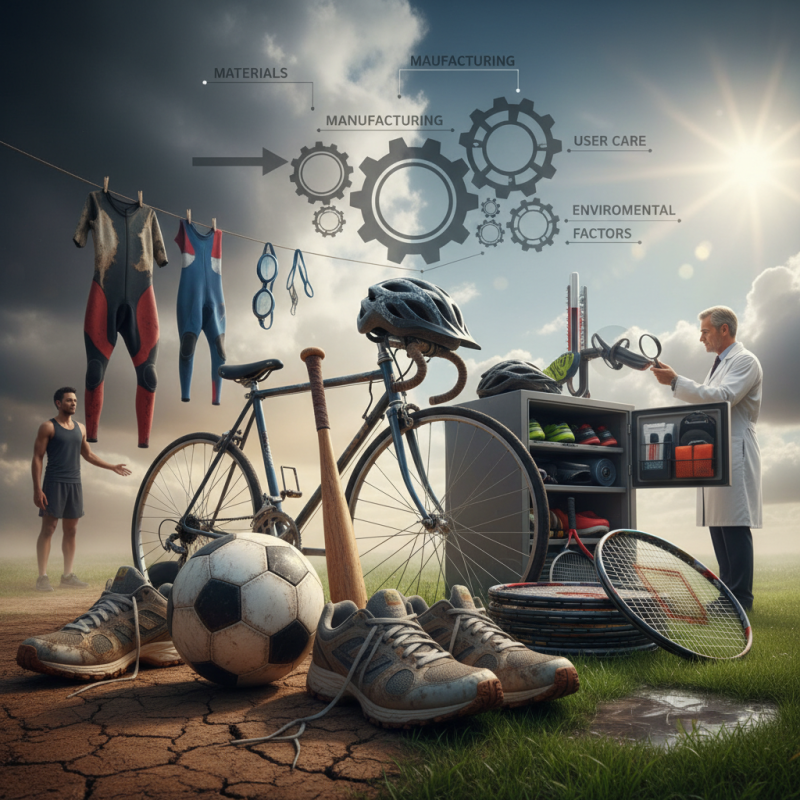
The durability of sports equipment is crucial for athletes and enthusiasts alike. It influences performance, safety, and overall value. Understanding what affects the durability of sports equipment allows consumers to make informed choices. Many factors contribute to this durability, including materials used, manufacturing processes, and care given by users.
Athletes often underestimate the impact of environmental conditions. Exposure to moisture, sunlight, and fluctuations in temperature can shorten the lifespan of gear. A simple oversight, like improper storage, may lead to significant wear and tear. Awareness of these elements helps athletes protect their investments.
Additionally, the intended use of the equipment plays a pivotal role. Equipment designed for casual use may not withstand rigorous training regimens. Athletes should consider whether their gear aligns with their activity levels. Seeking advice from professionals can provide deeper insights into their choices. The conversation around durability must continue, as advances in technology may change standards in the future. Understanding all these factors is essential for anyone involved in sports.
Material Quality and Its Role in Sports Equipment Longevity
Material quality plays a crucial role in the durability of sports equipment. Research shows that high-quality materials can enhance longevity by up to 50%. For instance, equipment made from advanced composite materials often outperforms traditional options. These composites resist wear and provide better performance under pressure. This is important for athletes relying on their gear.
Tips: Always check for material specifications when purchasing. Look for certifications that indicate durability standards. Engaging with knowledgeable retailers can help you find quality gear.
However, not all materials are created equal. Some cheaper options may seem appealing but often wear out quickly. A study by the Sports Industry Association indicates that consumers often replace their equipment every 12-18 months due to wear and tear. This results in higher long-term costs. Reflecting on choices made is crucial.
Tips: Invest in equipment that uses proven materials. Seek reviews and expert opinions before buying. Quality often results in better value over time.
Design Features Influencing Durability in Sports Gear
When evaluating the durability of sports gear, several design features play pivotal roles.
Material choice is a primary factor. High-performance fabrics, like nylon and polyester, resist wear and tear.
Research indicates that nylon can withstand significant abrasion, extending the lifespan of items such as backpacks and uniforms.
However, materials that are too lightweight might compromise durability in high-impact sports.
Construction techniques also affect durability. For instance,
reinforced seams and strategic stitching prevent tears and extend operational life.
A study by the Sports Equipment Research Institute found that products with reinforced stitching last, on average, 30% longer than those without.
Field testing often reveals that even minor design flaws, like poorly placed seams, can lead to early failure, prompting designers to rethink their approaches.
Another aspect is functionality versus durability. Some gear prioritizes lightweight and flexibility, which may result in reduced robustness.
For example, a certain athletic shoe design aimed for maximum agility showed a 20% increase in material fatigue during trials.
While such products enhance performance, their short lifespan requires users to replace them frequently, raising questions about sustainability in sports design.
Balancing functionality with durability remains a critical challenge for manufacturers.
Environmental Conditions Affecting Equipment Lifespan
Environmental conditions play a crucial role in determining the durability of sports equipment. Factors such as temperature, humidity, and exposure to UV light can significantly impact the lifespan of gear. For example, high humidity can weaken the materials used in tennis rackets or soccer balls. This degradation may lead to reduced performance, ultimately affecting an athlete’s game.
Sunlight is another enemy to sports equipment. Prolonged UV exposure can cause fading and brittleness, especially in items made of plastic or rubber. Imagine a neglected yoga mat that has been left in the sun. Its surface may crack and become unusable over time. These changes can be subtle at first, but constant exposure adds to the wear and tear.
Athletes often overlook these factors when caring for their equipment. Ignoring proper storage conditions can be detrimental. For instance, leaving a bike outside in the rain or snow can lead to rusting and corrosion. Thoughtful maintenance is essential, but many may not commit to it. Reflecting on these issues can foster better habits in equipment care and prolong the lifecycle of valuable gear.
What Factors Impact the Durability of Sports Equipment? - Environmental Conditions Affecting Equipment Lifespan
| Equipment Type |
Material |
Average Lifespan (Years) |
Major Environmental Factors |
Impact of Factors |
| Tennis Racket |
Graphite |
3-5 |
Humidity, UV Exposure |
Degrades material integrity |
| Soccer Ball |
Synthetic Leather |
1-3 |
Temperature, Rain |
Increases wear and water absorption |
| Bicycle |
Aluminum |
5-10 |
Salt, Humidity |
Causes corrosion, affects safety |
| Surfboard |
Polyurethane Foam |
3-5 |
Saltwater, Sunlight |
Degrades foam and blistering |
| Golf Clubs |
Stainless Steel |
5-8 |
Moisture, Soil |
Rusting, impacts playing performance |
Maintenance Practices for Extending Sports Equipment Durability
Proper maintenance practices significantly extend the durability of sports equipment.
Regular cleaning is essential.
For example, moisture can lead to mold growth, which can deteriorate materials.
A report from the National Institute of Sports Equipment Research suggests that
athletes should clean their gear after every use. It helps prevent wear and tear.
Inspecting equipment is crucial.
Frayed ropes or cracked surfaces can lead to accidents.
Athletes should develop a habit of checking their equipment regularly.
A recent survey indicated that
40% of equipment failures
stemmed from neglect.
Addressing small issues can prevent larger problems.
Tips:
Keep a maintenance log for each piece of equipment. Document cleaning dates and any inspections.
This practice fosters accountability. Use appropriate storage to avoid damage.
For instance, do not leave items in humid areas.
Be transparent about equipment conditions with teammates.
Open conversations can lead to better overall care.
User Behavior and Its Impact on Equipment Durability
User behavior plays a crucial role in determining the durability of sports equipment. Athletes may not realize how their actions can lead to wear and tear. For instance, improper storage can expose gear to extreme temperatures or moisture. This exposure can weaken materials over time. Additionally, rushing through practices or competitions may lead to rough handling, which can cause damage.
A lack of regular maintenance is often overlooked. Simple actions, like cleaning equipment after use, can significantly prolong its lifespan. Users sometimes neglect these routines, believing that equipment is more resilient than it actually is. Neglect leads to a gradual decline in performance and safety standards.
Users must also follow manufacturer guidelines for use, as exceeding recommended limits can accelerate deterioration.
Moreover, not every athlete understands their equipment’s limits. Overuse or misuse can lead to premature failure. This waste not only affects individual performance but also has financial implications. Investing in quality gear is essential, but understanding how to care for it is equally important. Users must reflect on their habits and consider adjustments for better longevity.
Conclusion
What affects the durability of sports equipment is a multifaceted issue influenced by various factors. Firstly, the quality of materials used plays a significant role; higher-grade materials typically offer increased resistance to wear and tear. Design features also contribute to durability, with thoughtful designs enhancing an item's ability to withstand rigorous use.
Environmental conditions, such as temperature and humidity, further impact equipment lifespan, as certain materials may degrade faster under harsh conditions. Regular maintenance practices are essential for extending the durability of sports gear, as proper care can prevent premature failure. Lastly, user behavior—such as the frequency and intensity of use—affects how long equipment remains effective. By understanding these factors, athletes and recreational users can make informed decisions to enhance the longevity of their sports equipment.

 Insider Sports