Storing sports balls properly is essential for maintaining their performance and longevity. Many athletes and sports enthusiasts wonder how to store sports balls to make them last longer. Without proper care, balls can lose air pressure or become damaged over time. Therefore, understanding the right methods for storage is crucial.
The environment in which sports balls are kept affects their durability. Factors like temperature and humidity play a significant role. For example, storing balls in damp areas can lead to mold. Similarly, extreme heat can damage the materials. It’s important to choose the right storage location to protect these valuable pieces of equipment.
Additionally, the way you store sports balls can vary depending on the type. Some balls require a specific level of inflation for optimal performance. Others may benefit from protective covers. Reflecting on these aspects can help improve how we maintain our sports gear. By learning how to store sports balls properly, you can ensure they remain in excellent condition for many games to come.
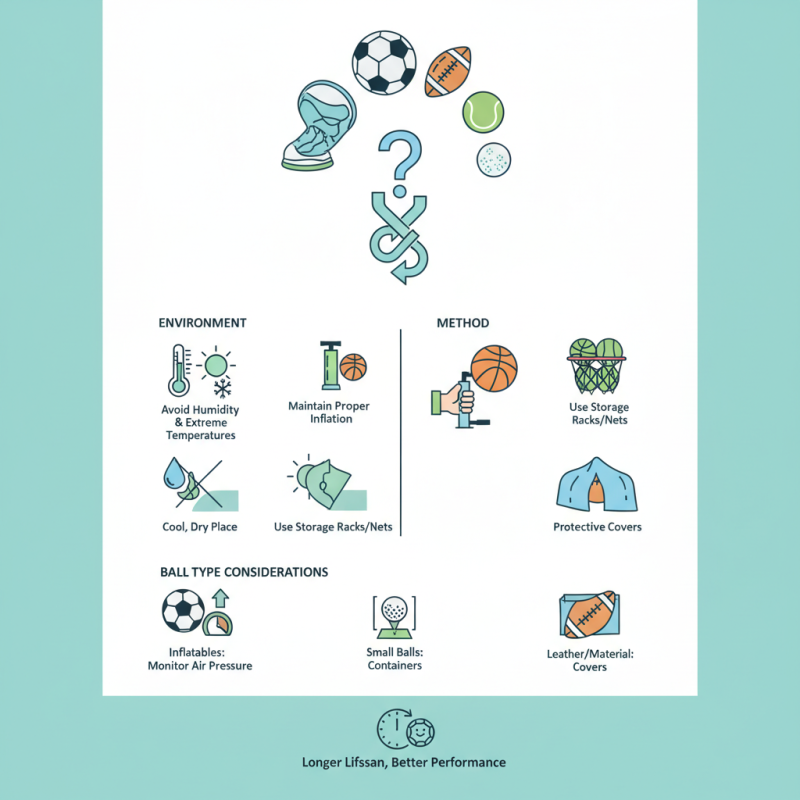
Choosing the Right Storage Environment for Sports Balls
Choosing the right storage environment for sports balls is crucial for their longevity. Sports balls are made from various materials. Each type requires specific care. For instance, synthetic leather balls need humidity-controlled spaces. Too much moisture can warp them, while excessive dryness can crack them.
Temperature also matters significantly. A stable, moderate temperature is ideal. Avoid storing balls in garages or attics where conditions fluctuate greatly. Extreme heat can damage the inner bladder. Cold can cause rubber to become brittle. These changes happen without obvious signs.
Light exposure can degrade materials, too. Store balls in a dark place to prevent fading and deterioration. Consider using breathable bags for storage. Avoid plastic as it traps moisture. Regularly check the condition of balls. Look for signs of wear or damage. Addressing these issues early can extend the life of your equipment.
Best Container Options for Storing Different Types of Sports Balls
When considering the best ways to store sports balls, choosing the right container is crucial. Different types of sports balls have varying needs for preservation. For instance, footballs and soccer balls can benefit from breathable mesh bags. These allow air circulation, which prevents moisture buildup that could lead to mold or warping.
Basketballs and volleyballs are best stored in padded containers. This prevents them from being flattened or damaged during storage. A dedicated sports ball organizer can also create a tidy space. It keeps various balls in one place, making access easier.
However, many people overlook the environment where the balls are stored. Extreme temperatures can affect the material. A garage or attic might not be ideal due to heat or humidity. Instead, consider a cool, dry storage area. Regularly inspecting the condition of the balls is also essential. It can prevent minor issues from becoming bigger problems.
2026 Best Ways to Store Sports Balls for Longevity
Maintaining Optimal Pressure and Inflation Levels during Storage
Maintaining the right pressure during storage is essential for longevity. Sports balls should be inflated to the manufacturer’s recommended levels. Overinflated balls can warp or burst, while underinflated ones can lose shape. It's crucial to check the inflation before long-term storage. Use a reliable pressure gauge to ensure accuracy.
The environment also plays a significant role. Store balls in a cool, dry area away from direct sunlight. High temperatures can lead to degradation of the materials. Humidity can cause mold and mildew, especially with leather. Consider placing silica gel packs nearby to absorb excess moisture. Remember, a little effort in creating the right storage conditions can prevent costly replacements.
It's important to inspect the balls regularly. Look for visible signs of wear or damage. Small tears can expand over time, affecting performance. Routine checks can help catch issues early. While it may seem tedious, this practice ensures the balls remain game-ready. By taking these steps, you can extend the life of your sports equipment.
Preventing Damage: Tips for Protecting Sports Balls from Elements
When it comes to sports balls, preventing damage is crucial for longevity. Exposure to elements like heat, moisture, and UV rays can lead to deterioration. According to studies by the American Sports Council, proper storage can extend the life of sports equipment by up to 30%.
To protect your balls, choose a cool, dry place. High temperatures can warp or dry out materials. Damp environments lead to mold and mildew. Place balls in breathable bags, allowing air circulation. Avoid plastic containers; they trap moisture.
Regular inspection is vital. Check for signs of wear, like cracks or discoloration. Clean surfaces with a mild soap solution; this helps maintain integrity. Finally, avoid leaving balls in direct sunlight for extended periods. Minor adjustments in storage can yield significant benefits over time.
Regular Maintenance Practices to Ensure Longevity of Sports Balls
Maintaining sports balls properly can extend their lifespan significantly. Regular care is essential. Start by cleaning the surface after each use. Use a damp cloth to wipe off dirt and moisture. A clean ball performs better and lasts longer.
Proper storage is also crucial. Store balls in a cool, dry place. Avoid places with extreme temperatures. High heat can warp materials. Too much humidity promotes mold growth. These conditions can render a ball unusable.
Consider checking pressure levels regularly. Use a pressure gauge to ensure optimal inflation. Under-inflated balls can lead to poor performance. If a ball feels soft, inflate it according to recommended levels. Always avoid over-inflation.
Also, think about rotation. If you have multiple balls, rotate their use. This prevents wear on a single ball. Lifespan increases when balls are used less frequently. Lastly, keep an eye on any visible wear, like cracks or scuffs. Address these issues early to prolong your ball's life.
FAQS
: Breathable mesh bags are ideal. They allow air circulation and prevent moisture buildup.
Use padded containers to prevent flattening or damage during storage.
Extreme temperatures can warp materials. A cool, dry area is best for preservation.
Proper storage and regular inspections can extend their life by up to 30%.
Regularly inspect and clean them with a mild soap solution to maintain their integrity.
No, avoid plastic containers. They trap moisture, which can lead to mold.
Damp environments promote mold and deterioration of the ball materials.
Regular inspections are essential to prevent minor issues from becoming major problems.
Prolonged exposure can lead to material degradation and affect performance.
Yes, small changes in how you store them can yield significant benefits over time.
Conclusion
When considering how to store sports balls to make them last longer, it's essential to create the right storage environment. This involves finding a cool, dry place that minimizes exposure to extreme temperatures and humidity. Choosing the best container for different types of sports balls can also significantly impact their longevity; breathable materials are often preferable to prevent moisture buildup.
Maintaining optimal pressure and inflation levels is another crucial factor during storage. Regularly checking and adjusting pressure prevents balls from becoming deformed over time. Additionally, protecting sports balls from elements like sunlight and rough surfaces will reduce the risk of damage. Implementing regular maintenance practices, such as cleaning and inspecting the balls, ensures they remain in good condition, enhancing their lifespan and performance.

 Insider Sports