Best Materials for High Performance Sports Accessories?

Time:2026-06-04 Author:Ethan
0%

In the competitive world of sports, the choice of materials in sports accessories plays a crucial role. Athletes today demand high performance, durability, and comfort. This leads to the question: "What materials are best for sports accessories?" Recent reports indicate that materials like advanced polymers, breathable fabrics, and lightweight composites enhance athletes' performance. For instance, studies from the Journal of Sports Science suggest that moisture-wicking fabrics can improve comfort and endurance during intense workouts.

The industry continually evolves, adapting to new technologies and consumer needs. However, the challenge lies in balancing performance with sustainability. Many brands struggle to source eco-friendly materials that do not compromise quality. According to a 2022 market analysis, only 30% of sports accessory manufacturers prioritize sustainable practices. This raises important questions about long-term environmental impact. Athletes are increasingly aware of these issues, leading to a demand for transparency.

As the market grows, identifying the best materials requires extensive testing and expertise. The selection process must consider factors like flexibility, weight, and durability. Design choices can significantly affect functionality. A failure to address these aspects may lead to decreased performance and user satisfaction. Therefore, understanding the optimal materials is vital for manufacturers and athletes alike.
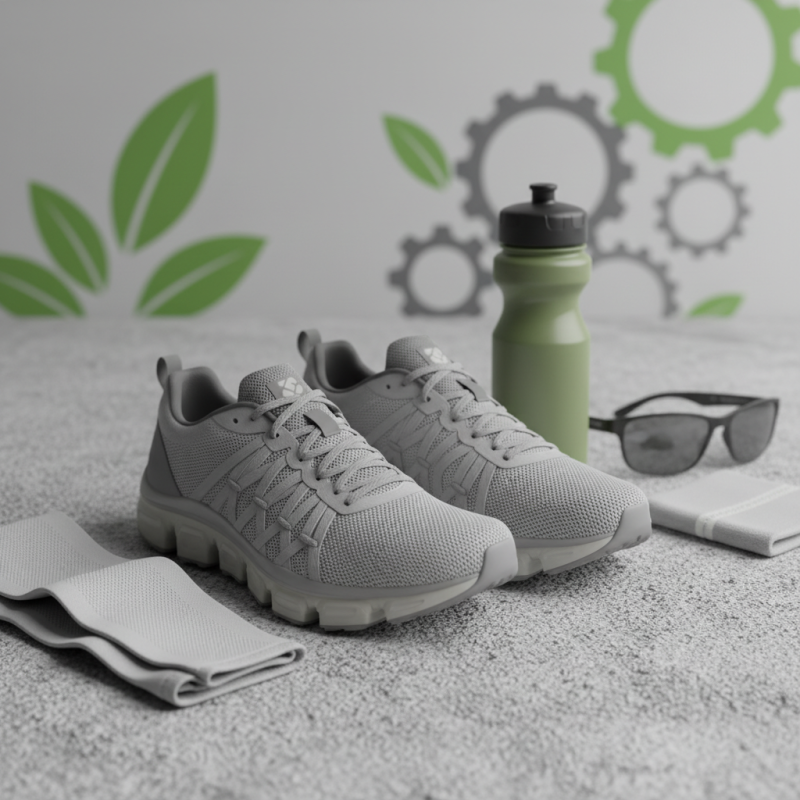
Best Materials for High Performance Sports Accessories?

Best Materials for High Performance Sports Accessories: An Overview

When creating high-performance sports accessories, selecting the right materials is crucial. Lightweight fabrics enhance comfort during intense activities. Breathable materials allow for moisture control, ensuring athletes stay dry. However, balance is necessary; not every lightweight option offers durability. Some synthetic options wear out quickly.

Natural fibers like merino wool can provide unmatched thermal regulation. This material traps warmth while still allowing airflow. Yet, some may find it less resistant to wear and tear compared to synthetic alternatives. Performance athletes often need durable solutions, creating a challenge in material selection.

In addition to comfort, flexibility is vital in sports gear. Materials should move with the body, not restrict it. Stretchable fabrics, like elastane blends, can offer this flexibility. Still, they may not always provide enough support. Finding the perfect combination of flexibility, durability, and comfort often requires experimentation and feedback. Each athlete's needs differ, making it essential to evaluate specific materials thoroughly.

Impact of Material Selection on Athlete Performance and Safety

Selecting the right materials for sports accessories can significantly impact an athlete’s performance and safety. High-performance materials, like thermoplastic polyurethane and advanced composites, offer flexibility and durability. These materials can enhance movement while reducing injury risk.

Athletes should consider the weight and breathability of materials. Lighter materials improve agility. Breathable fabrics help regulate temperature during intense activities. While advanced materials are beneficial, they can also be expensive and may not always provide the expected comfort. It’s essential to balance performance with practicality.

Tips: Always test new gear before competition. A short trial can reveal unexpected issues. Pay attention to how the material interacts with your body. Make adjustments based on your feedback. Staying informed about material advancements can also lead to better choices for your sporting needs.

Commonly Used Materials in Sports Accessories: A Comparative Analysis

In the world of high-performance sports accessories, material selection is crucial. Lightweight, breathable, and durable materials often lead the conversation. For instance, polyester is widely used for its quick-drying properties. Athletes appreciate how it wicks moisture away, keeping them comfortable during intense workouts. However, nylon is equally favored for its toughness and resistance to abrasion. It can withstand rigorous conditions but may lack breathability compared to polyester.

Foam materials, like EVA, are common in accessories like insoles and padding. They provide cushioning and shock absorption, essential for athletes. Still, they may not offer the same longevity as other materials. Some manufacturers are exploring sustainable options, such as recycled plastics and organic fabrics. These materials can be promising but may struggle to meet performance standards in extreme conditions. Balancing performance and environmental responsibility remains a challenge. The quest for the perfect material continues as designers prioritize athlete needs while respecting sustainability goals.

Best Materials for High Performance Sports Accessories - Commonly Used Materials in Sports Accessories: A Comparative Analysis

Material Properties Applications Advantages Disadvantages
Nylon Lightweight, strong, durable Footwear, bags, clothing High abrasion resistance, flexible Can absorb moisture, may retain odors
Polyester Strong, wrinkle-resistant, quick-drying Apparel, backpacks, sporting gear Durable color retention, lightweight Less breathable than natural fibers
Neoprene Water-resistant, insulating, elastic Wetsuits, support braces, bags Good stretch and recovery, thermal protection Can be bulkier, less breathable
Carbon Fiber Very strong, lightweight, rigid Bicycles, racing equipment, protective gear High performance strength-to-weight ratio Expensive, brittle under certain conditions
Elastane (Spandex) Highly elastic, shape-retaining Activewear, compression gear Comfortable fit, enhances mobility Can lose elasticity over time

Durability and Longevity of High-Performance Sports Materials

When it comes to high-performance sports accessories, the choice of materials plays a crucial role in durability and longevity. Athletes demand equipment that can withstand rigorous use, resist wear and tear, and maintain performance over time. For instance, materials like advanced polymers, carbon fiber, and high-grade metals have gained recognition for their resilience. They offer a balance of weight and strength, essential for activities requiring agility and power.

Crafting accessories from these materials can lead to impressive longevity. However, it’s important to recognize that not all products deliver as promised. Some materials may degrade under specific conditions, such as extreme temperatures or moisture. This inconsistency makes it vital for consumers to research and consider user experiences. A careful evaluation of each material's potential weaknesses can yield safer choices. Not every accessory made from high-performance materials will live up to athletic demands, highlighting the need for awareness and reflection. Understanding these nuances fosters informed decisions, ensuring that the investment supports sustained athletic endeavors.

Recent Innovations in Sports Accessory Materials and Their Benefits

Recent innovations in sports accessory materials have transformed the industry. High-performance fabrics are engineered for enhanced breathability and moisture management. For example, advanced synthetic fibers can wick sweat away from the body, keeping athletes dry and comfortable. Industry reports indicate that these materials can improve performance by up to 10% during intense activities.

Another exciting development is the integration of smart textiles. Researchers have made strides in fabrics that monitor heart rate and muscle activity. The data collected provides athletes with valuable insights into their performance. Some experts predict that these technologies could revolutionize training methods in the coming years.

Tips: Consider accessories made from antimicrobial materials to reduce odor and improve longevity. Always test new items during training sessions before competitions. Remember that comfort can directly influence performance. A poorly fitting accessory could hinder your results. Embrace the changes in materials but listen to your body. It’s crucial to reflect on how different materials affect your performance.

Best Materials for High Performance Sports Accessories

FAQS

: Why is material selection important for athletes?

: The right materials enhance performance and safety, influencing movement and reducing injury risk.

What types of materials are considered high-performance?

High-performance materials include thermoplastic polyurethane and advanced composites, providing flexibility and durability.

How do weight and breathability of materials affect performance?

Lighter materials improve agility, while breathable fabrics regulate temperature during intense activities.

Are advanced materials always comfortable for athletes?

Advanced materials can be expensive and may not always deliver expected comfort. Balance is key.

How can athletes ensure their gear is effective before competitions?

Always test new gear before competition. A short trial helps identify unexpected issues or discomfort.

What materials are known for durability in sports equipment?

Advanced polymers, carbon fiber, and high-grade metals are recognized for their strength and resilience.

Do all high-performance materials last as expected?

Not all products deliver on their promises. Some materials may degrade in extreme temperatures or moisture.

How should athletes approach material research for their gear?

Consumers should evaluate materials' weaknesses and consider user experiences for better safety and performance.

What can happen if an athlete ignores the material's properties?

Ignoring material properties can lead to injuries or equipment failure, highlighting the need for informed choices.

Is it enough to rely on brand reputation for material quality?

Brand reputation isn't everything. Research and individual feedback are crucial for making informed decisions.

Conclusion

In the quest to determine what materials are best for sports accessories, a comprehensive analysis is essential. High performance sports accessories hinge on material selection, which significantly impacts both athlete performance and safety. Materials such as carbon fiber, neoprene, and advanced synthetics are popularly employed for their strength, flexibility, and moisture-wicking properties.

Durability and longevity are crucial factors, as athletes require gear that can withstand extreme conditions and rigorous usage. Recent innovations in sports accessory materials have led to the development of lighter, stronger, and more breathable options, enhancing the overall performance experience. By understanding the nuances of different materials, stakeholders can create accessories that not only boost athletic performance but also prioritize safety and comfort.

Ethan

Ethan

Ethan is a seasoned marketing professional with a deep expertise in our company's innovative product line. With a passion for sharing knowledge and insights, he takes the lead in regularly updating our corporate blog, where he explores industry trends, product features, and effective marketing......