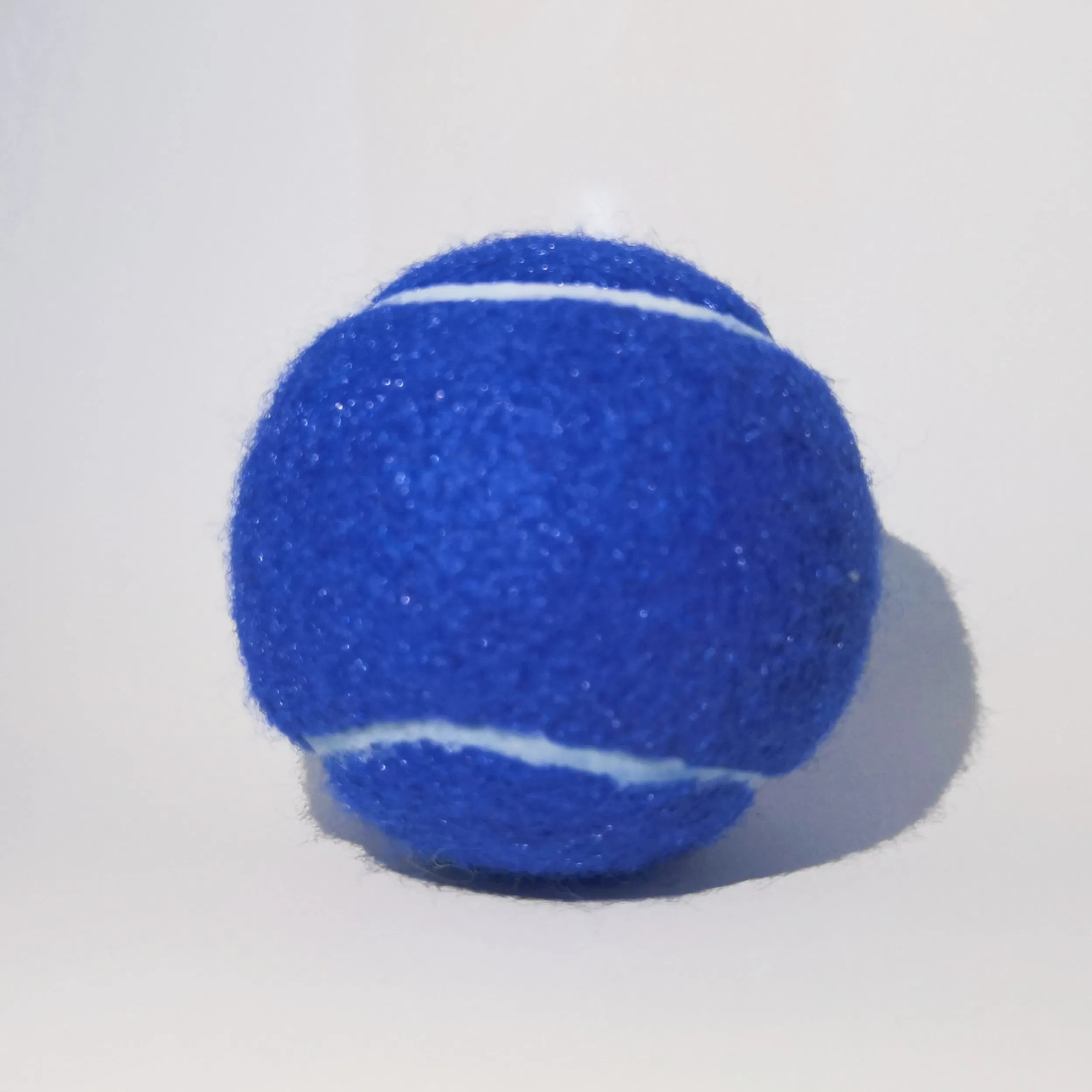
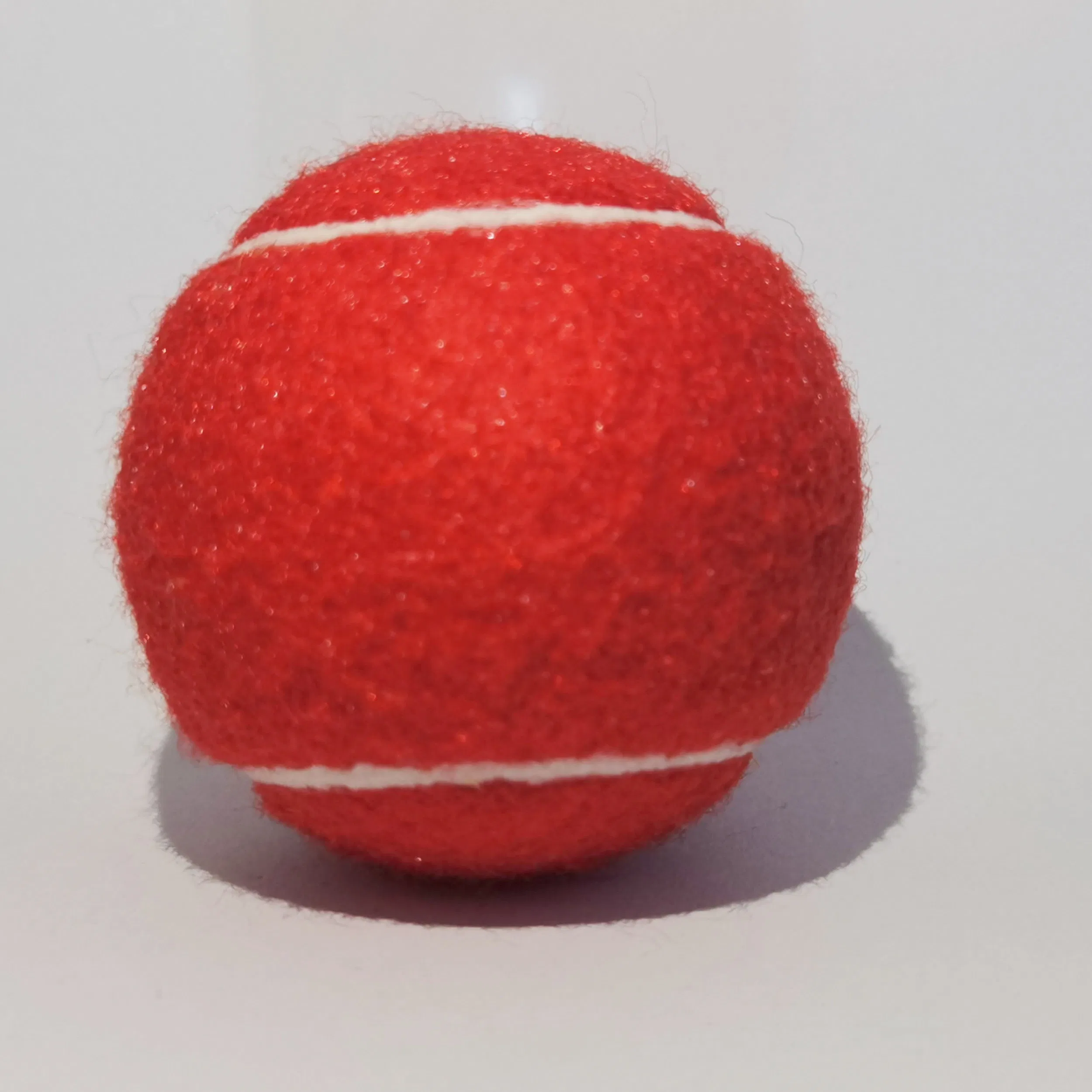
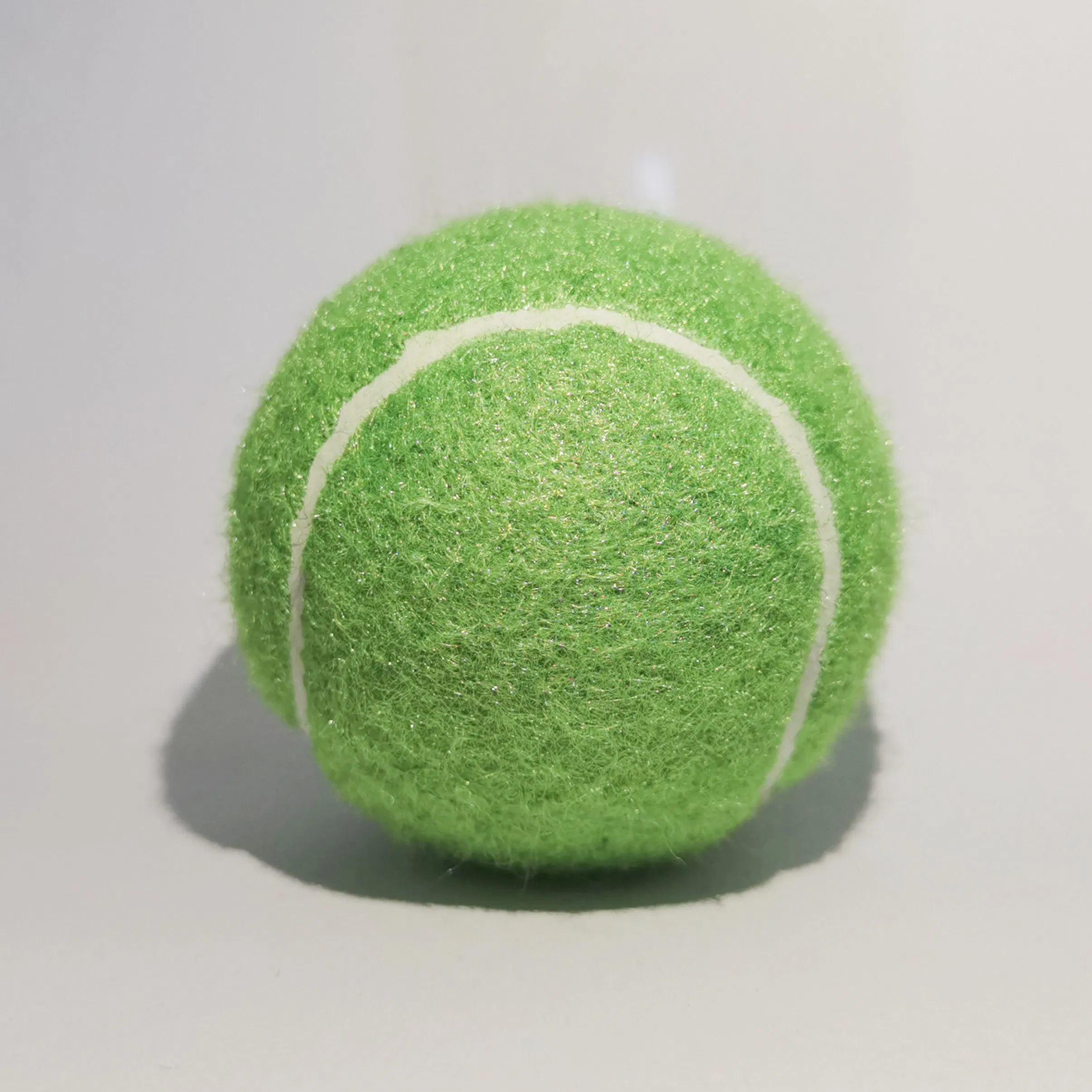
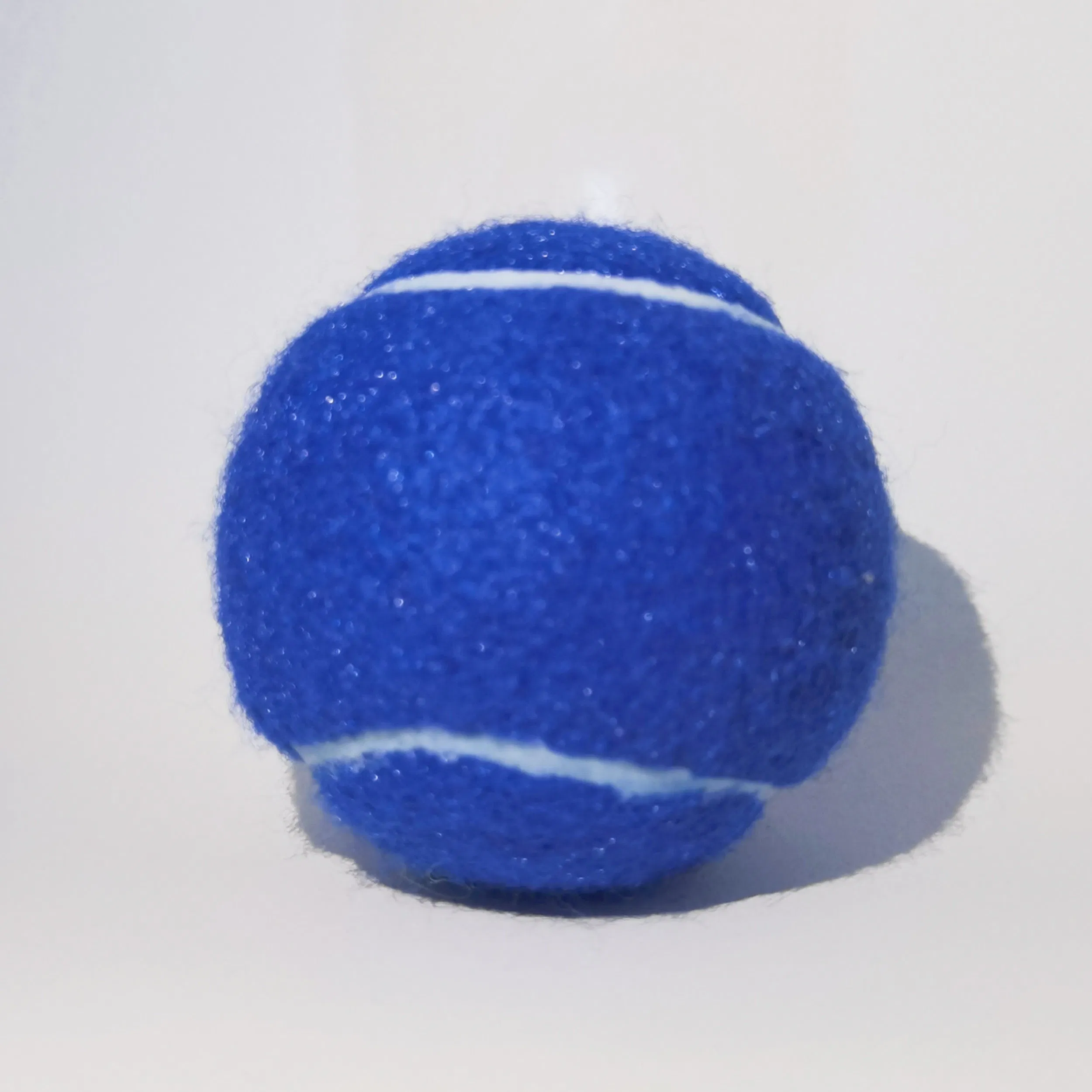
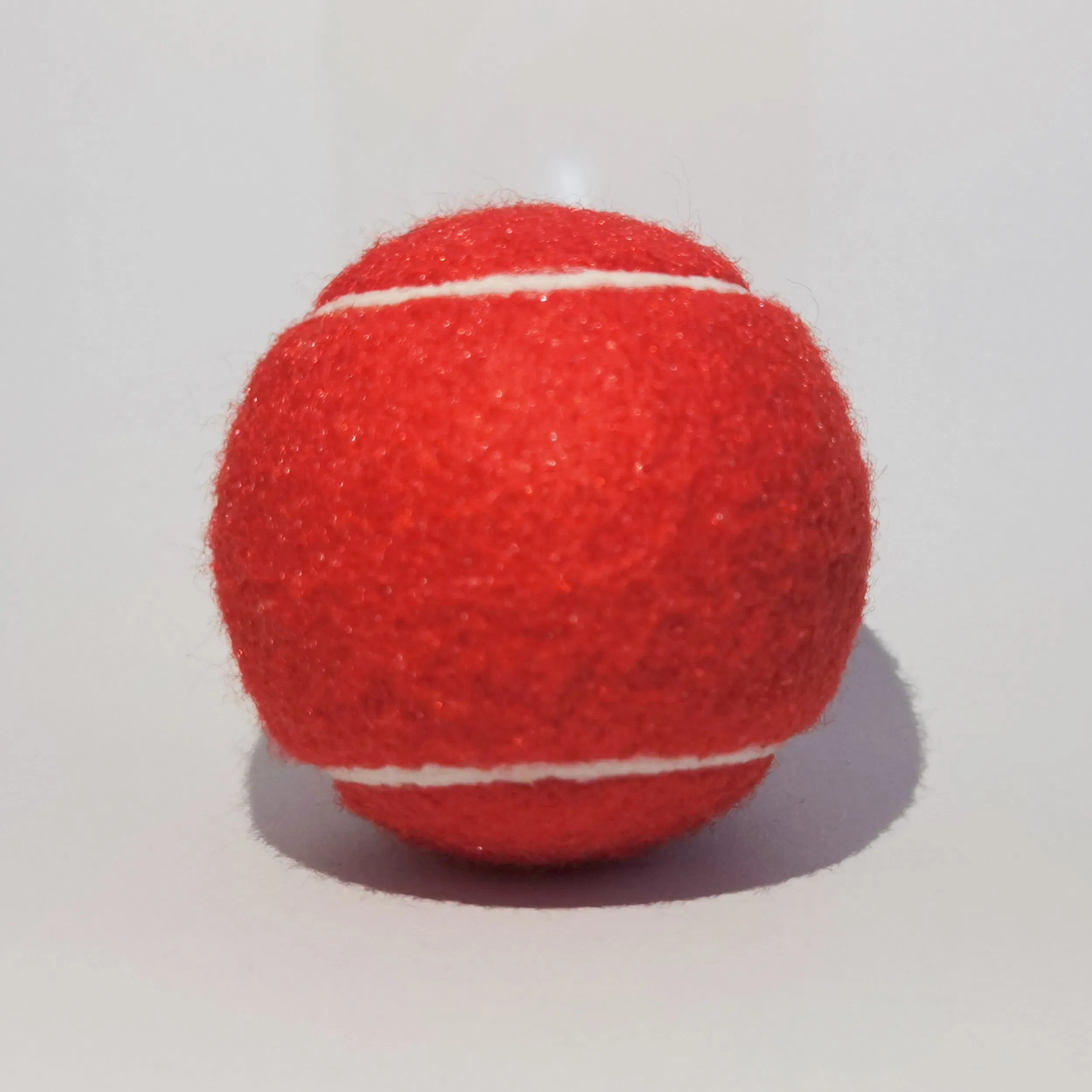
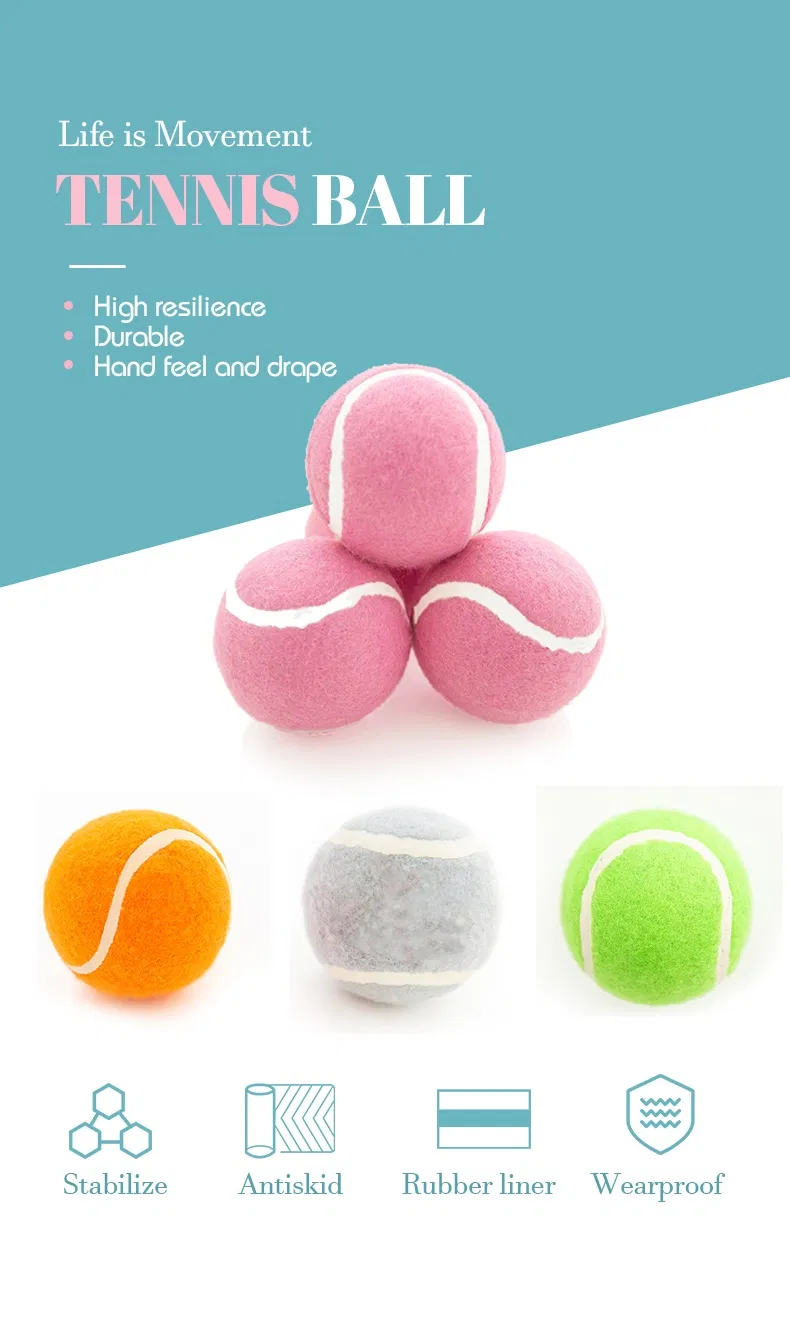
Coloured Tennis Balls with Customized Logo Tennis Cans Tenis Ball

Still deciding? Get samples of $ !
Order Sample

Product Description

📋 Product Overview
Model NO.
WY-TTB
Product Name
Training Tennis Balls
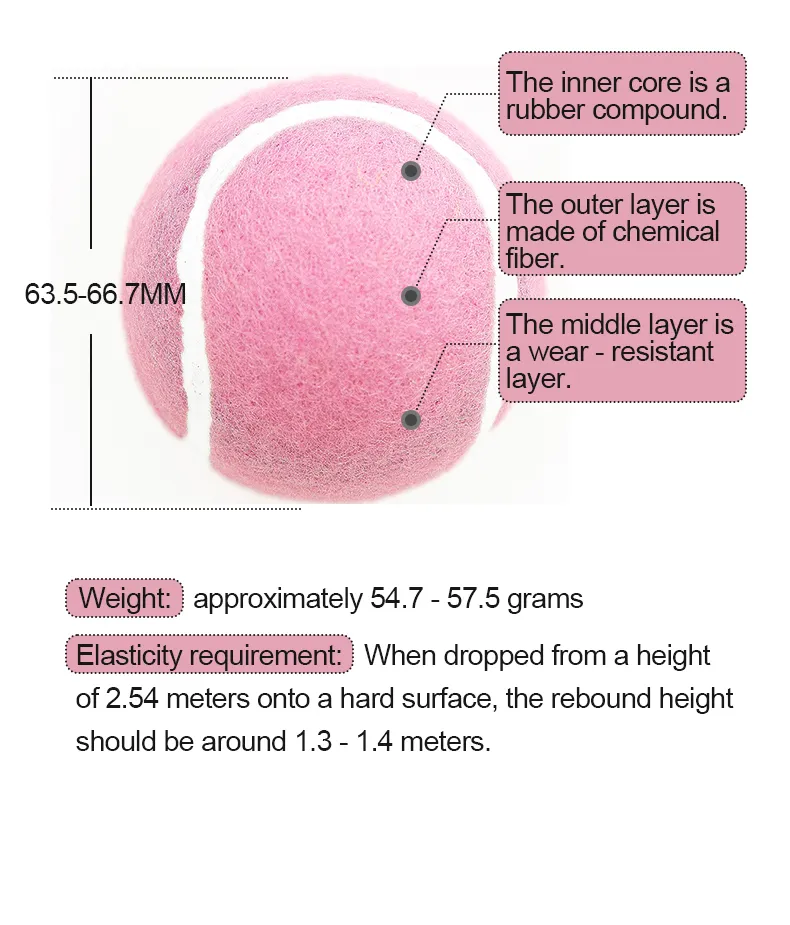
Diameter (mm)
68.6
Weight (G)
60
Rebounce
1.37-1.45m
Material
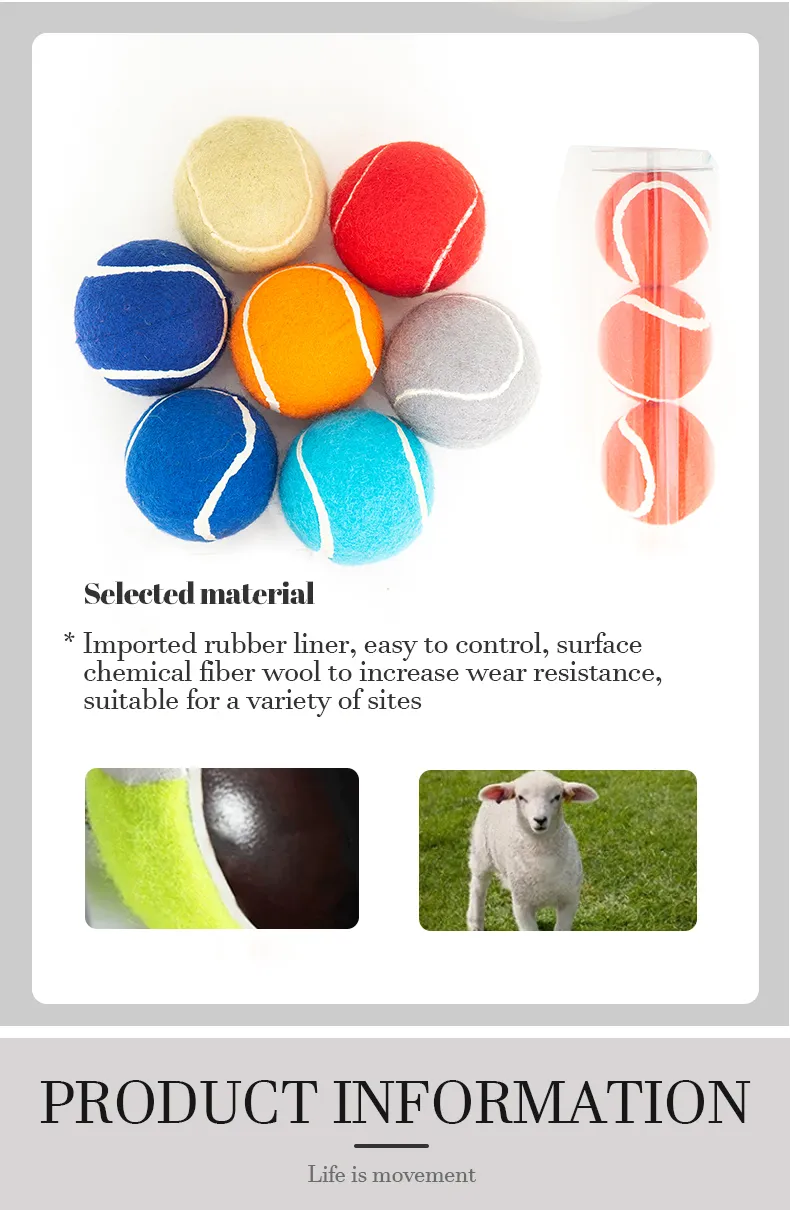
Polyester+Wool+Rubber
Feature
Shock Absorber High Elasticity
Logo
Customized Logo
Specification
6.3CM
HS Code
95069900
📦 Packaging & Delivery
Package Size
26.00cm * 7.00cm * 7.00cm
Gross Weight
0.200kg
Transport Package
Corrugated Carton
Capacity
50,000,000 pieces/Year
🎾 Product Description

Manufacturer Direct Sales: Training Tennis Balls

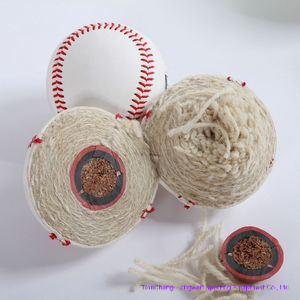
Professional tennis balls feature pressurized rubber cores for optimal bounce, wrapped in durable wool/nylon felt for spin and control. They meet strict ITF standards, weighing 56-59.4g with a diameter of 6.54-6.86cm. Optic yellow provides high visibility, while white variants suit grass courts. UV-resistant coatings enhance outdoor durability, and seamless construction ensures true flight.

Category Specifications & Details
Core Material Pressurized rubber core (for tournament play)
Felt Composition Premium wool/nylon blend (70%/30% ratio for professional balls) / Synthetic felt (economy-grade for recreational use)
Pressure System Pressurized (high initial bounce, pro-level performance) / Pressureless (longer lifespan, consistent bounce over time)
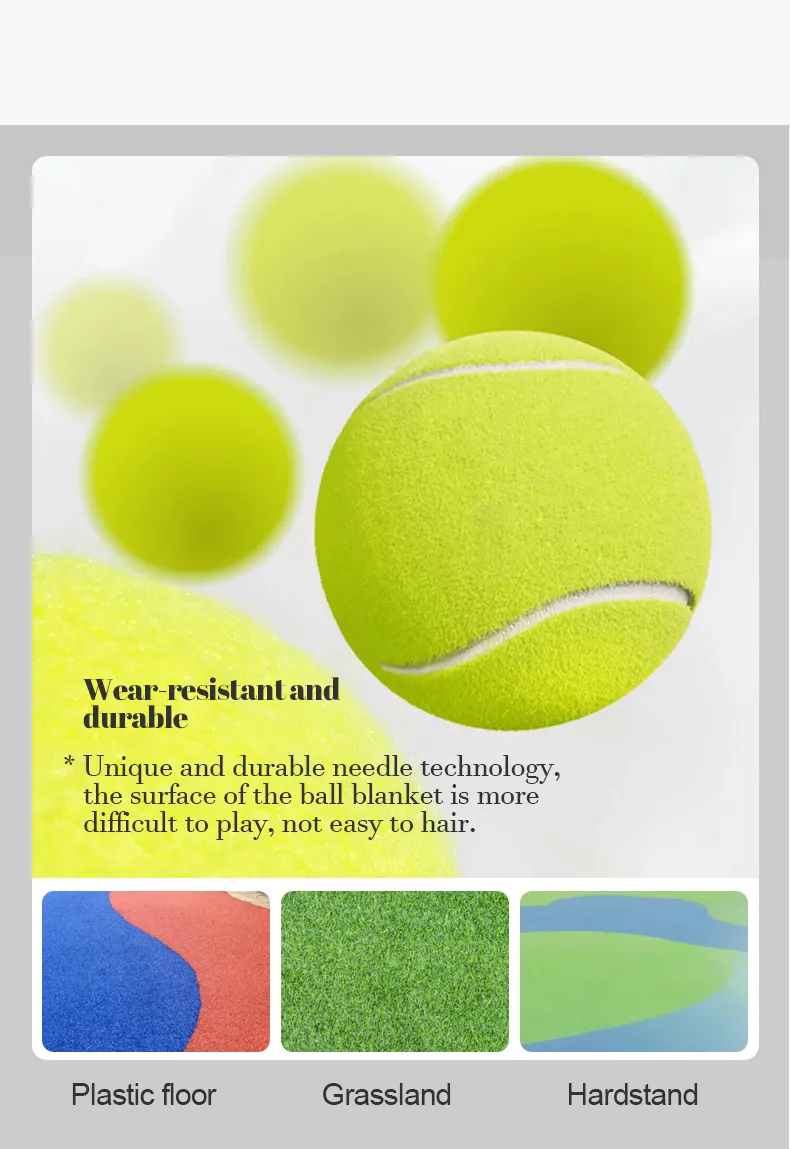
Durability Features Extra-duty felt (for hard court surfaces) / Regular-duty felt (for clay/indoor courts) / UV-resistant coating
🖼️ Detailed Photos
Frequently Asked Questions
What are the standard sizes for tennis rackets?
Tennis rackets typically range from 27 inches (adult size) to 19-26 inches (junior sizes). The head size varies between 85-110 square inches, with mid-plus (95-105 sq in) being the most common for intermediate players.
What types of tennis strings are available, and which is best for beginners?
Common types include:
• Nylon (Synthetic Gut) - Affordable and durable, ideal for beginners.
• Polyester - Stiff, for advanced players seeking control.
• Multifilament - Soft, good for arm comfort. For beginners, synthetic gut is recommended for its balance of power and control.
How do I choose the right tennis balls for different court surfaces?
• Regular Duty: Best for clay and indoor courts (softer felt).
• Extra Duty: Designed for hard courts (more durable felt).
• Pressureless: Long-lasting, ideal for practice.
What is the difference between amateur and professional tennis balls?
Professional balls (e.g., US Open, Penn ATP) have tighter quality control, consistent bounce, and premium felt. Amateur balls are more affordable but may wear out faster.
What is the MOI (Moment of Inertia) in tennis rackets?
MOI measures a racket's resistance to twisting upon ball impact. A higher MOI means more stability and power, ideal for beginners. Advanced players may prefer lower MOI for control.
What makes these training balls "high elasticity"?
These balls utilize a specialized rubber core combined with a high-quality wool blend felt, ensuring a rebounce height of 1.37-1.45m which provides consistent feedback during repetitive training sessions.

Related Products